
Lithium Carbonate CAS 554-13-2
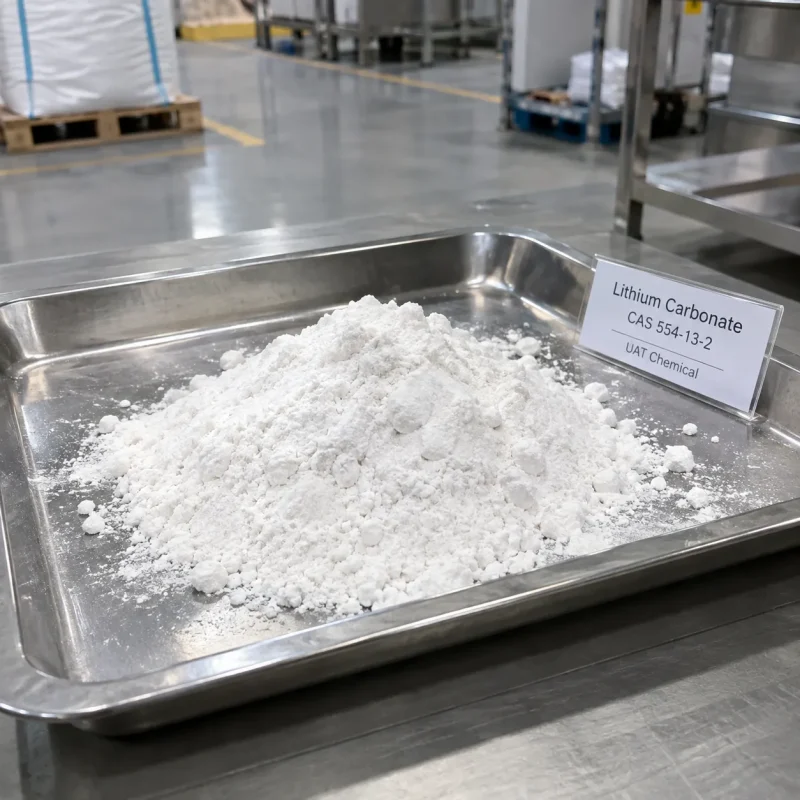
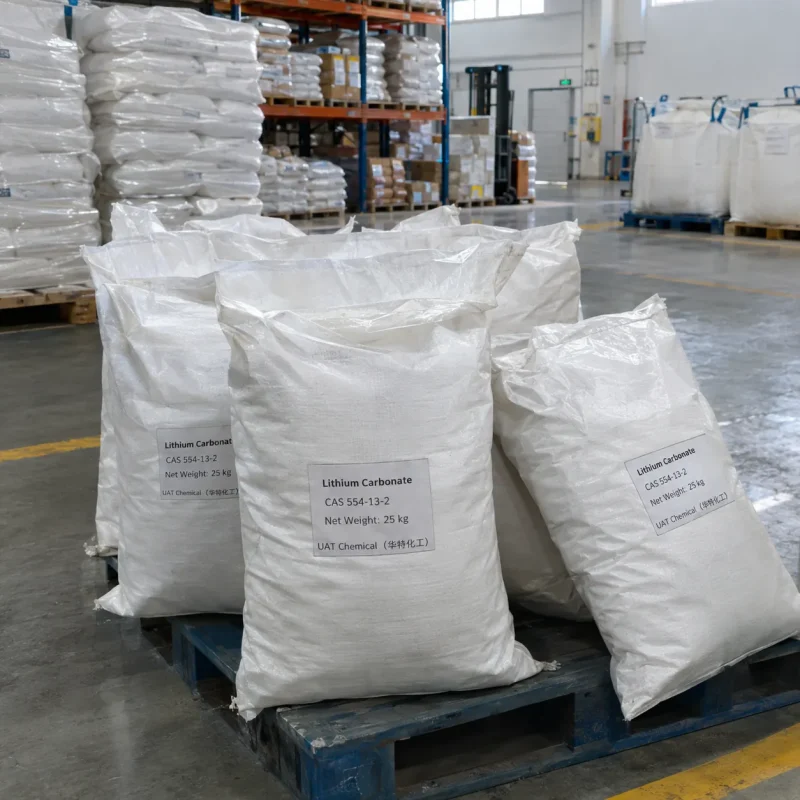
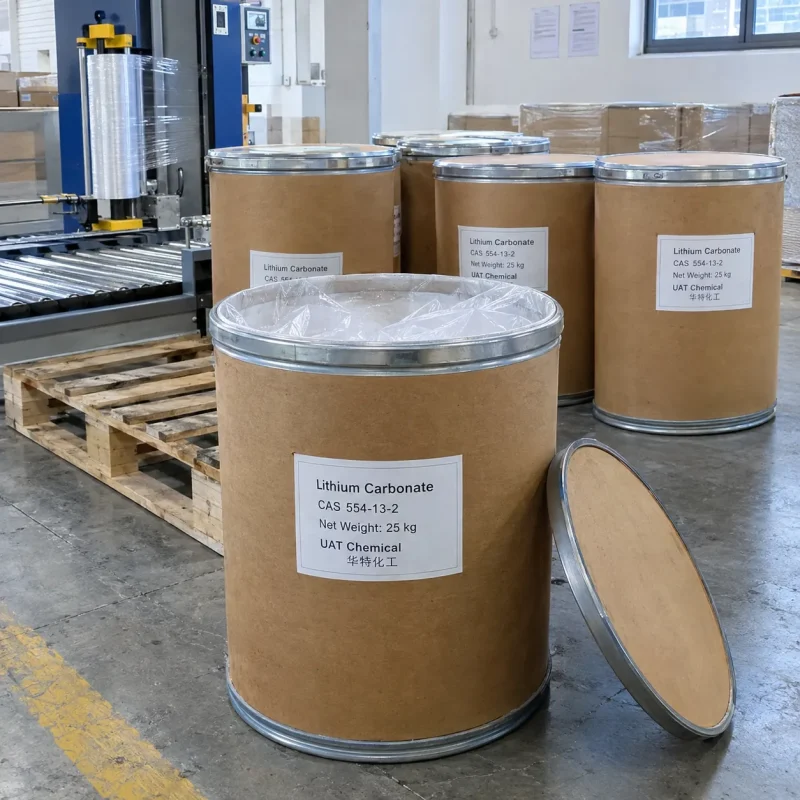
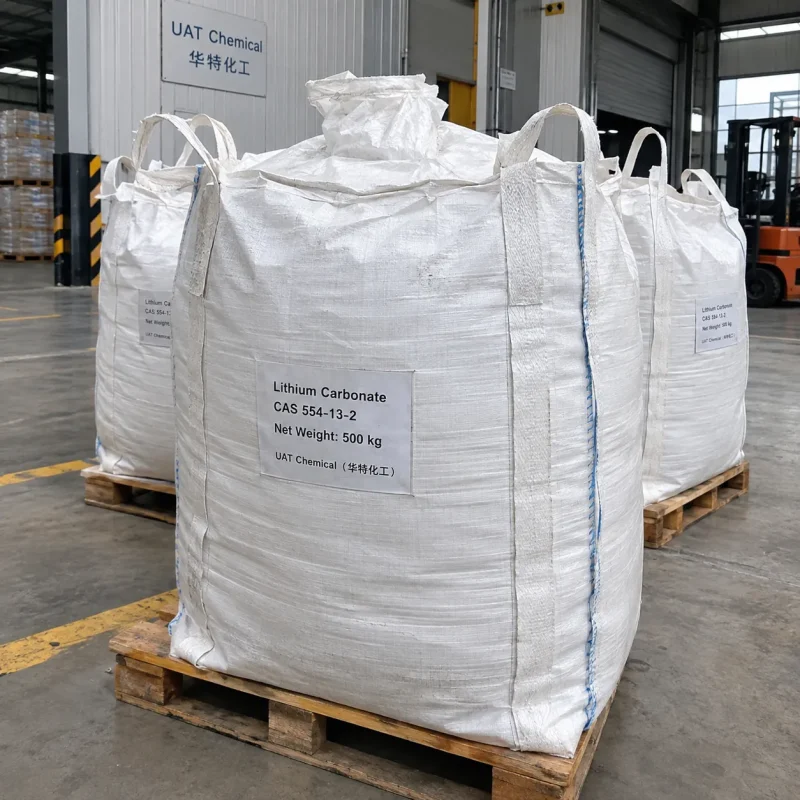
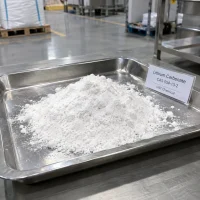
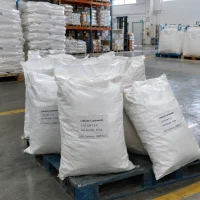
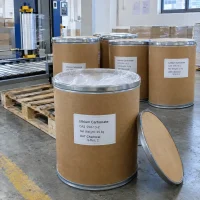
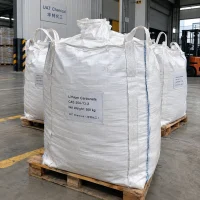
Lithium Carbonate (CAS 554-13-2), Li₂CO₃, is a white, non-hygroscopic crystalline powder and the base lithium salt from which most lithium chemicals and cathode materials are made. UATChem supplies battery grade at 99.5% with tightly controlled sodium, calcium, iron and magnetic impurities for LFP, LCO and ternary cathode precursors and electrolyte salts, and industrial grade for ceramics, glass, aluminum reduction and construction. It is slightly soluble in water and dissolves in dilute acid. Standard packs are 25 kg woven bags or drums and 500 kg FIBC lots; tell us the grade and application for a quote with COA and SDS.
- CAS: 554-13-2
- EC Number: 209-062-5
- Synonyms: Li₂CO₃; dilithium carbonate
- Molecular Formula: Li₂CO₃
- Molecular Weight: 73.89
- Appearance: White crystalline powder
- Grades: Battery grade ≥99.5%; industrial grade
- Battery Impurities: Low Na, K, Ca, Mg, Fe and magnetic particles
- Solubility: Slightly soluble in water; soluble in dilute acid
- Use: Cathode precursors, electrolyte salts, ceramics, glass, aluminum
- Packaging: 25 kg woven bag / fiber drum; 500 kg FIBC, custom packing available
What Lithium Carbonate Is
Lithium carbonate is the most widely produced lithium salt, a white crystalline powder that is stable and non-hygroscopic at ambient conditions, slightly soluble in water and freely soluble in dilute acid with release of carbon dioxide. It serves as the common precursor for lithium hydroxide, lithium chloride, lithium metal and other lithium compounds. UATChem offers two commercial lines: battery grade at minimum 99.5% with impurity and magnetic particle limits set for cathode synthesis, and industrial grade for traditional uses. Pharmacopoeia grade for pharmaceutical use is a separate, documented grade handled on request.
Battery, Ceramics and Industrial Uses
- Battery materials. The lithium source for LFP, LCO and NCM/NCA cathode precursors and for electrolyte salts such as LiPF₆, where low sodium, calcium, iron and magnetic particle levels are required.
- Ceramics and glass. Lowers thermal expansion and raises glaze strength and luster in heat-resistant ceramics, enamels and specialty glass, the main traditional outlet for industrial grade.
- Aluminum and metallurgy. An additive in aluminum reduction cells that lowers bath temperature and raises current efficiency, and a precursor for lithium hydroxide, chloride and metal.
- Construction and others. Used in rapid-set cement, concrete accelerators and flooring compounds, plus lithium greases, pyrotechnics and absorption refrigeration.
Typical Specifications
The table is a general reference; battery grade follows cathode-grade impurity limits in ppm and industrial grade is matched to ceramic, glass or construction use, with exact COA values confirmed per lot.
| Parameter | Typical Value |
|---|---|
| Appearance | White crystalline powder |
| Li₂CO₃ Content | Battery ≥99.5%; industrial ≥99.0% |
| Particle Size (D50) | Controlled; fine grades around 3 to 5 µm |
| Key Impurities (battery) | Na, K, Ca, Mg, Fe, F and magnetic particles limited |
| Solubility | Slightly soluble in water; soluble in dilute acid |
Packaging, Documents and Ordering
- Packed in 25 kg woven bags or fiber drums with moisture-proof liner and in 500 kg FIBC bags; keep material dry and sealed, and the product ships as ordinary, non-hazardous cargo by sea or air.
- Every lot carries a COA showing Li₂CO₃ content, D50, moisture and sodium, calcium, iron and magnetic particle values, together with TDS and SDS; battery grade lots include the full impurity report, and samples are supported.
- For a quote, UATChem needs the grade (battery or industrial), application, particle size, quantity, packing and destination port; pharmacopoeia grade and documentation for regulated markets can be discussed separately.
FAQ
Q: What is the difference between battery and industrial grade lithium carbonate?
A: Battery grade is 99.5% with Na, Ca, Fe and magnetic particles limited in ppm; industrial grade suits ceramics and glass.
Q: What is battery grade lithium carbonate used for?
A: It is the lithium source for LFP, LCO and NCM/NCA cathode precursors and for electrolyte salts such as LiPF6.
Q: How is lithium carbonate packed and is it hazardous?
A: It is non-hygroscopic, ships as non-hazardous cargo in 25 kg bags or drums and 500 kg FIBC lots, kept dry, with COA and SDS.
Related products
Ready to Source? Talk to Our Engineers
Industrial Chemical Raw Materials, Factory-Direct — Quote Within 1 Hour
Stable high-purity supply, flexible packaging and complete compliance documentation for your formulations — exporting worldwide since 2006.
- 1000+Products
- 200+QC Protocols
- 7–15Days Delivery
- Factory-Direct Pricing
- COA / TDS / SDS Included
- Free Samples for Testing
- ISO 9001 Certified