
Petroleum Jelly CAS 8009-03-8
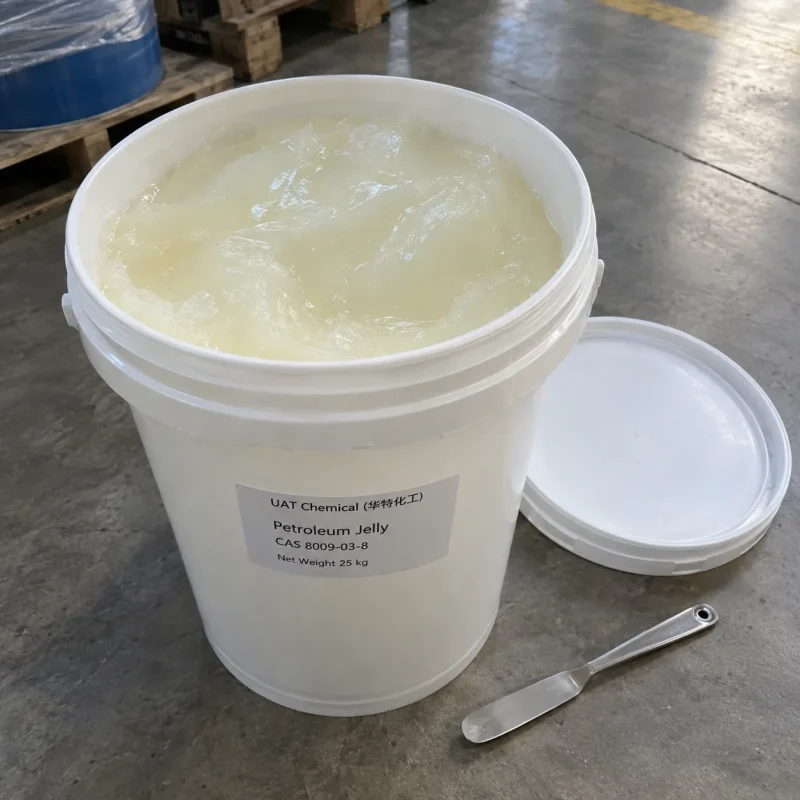
Petroleum Jelly, or petrolatum (CAS 8009-03-8), is a refined semisolid hydrocarbon sold as a smooth white or yellow jelly. Insoluble in water, it softens on warming and forms an occlusive film that protects and seals in moisture. It is used in creams, lip balm and baby care, as an ointment base, and for lubricating and rust protection. UATChem supplies white cosmetic and pharmacopoeia grades and yellow industrial grade in 25 kg pails and steel drums, with COA, TDS and SDS on request.
- CAS: 8009-03-8
- EC Number: 232-373-2
- Synonyms: Petrolatum; white soft paraffin; mineral jelly
- Type: Refined semisolid hydrocarbon mixture
- Color / Grades: White (cosmetic, pharmacopoeia) and yellow (industrial)
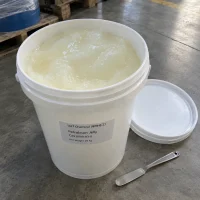
- Appearance: Smooth, odorless white or yellow jelly
- Drop Melting Point: About 40 to 60 °C by grade
- Solubility: Insoluble in water; soluble in hydrocarbon solvents and hot oils
- Function: Occlusive emollient, ointment base, lubricant
- Main Use: Personal care, pharmaceutical, industrial
- HS Code: 2712.90.00
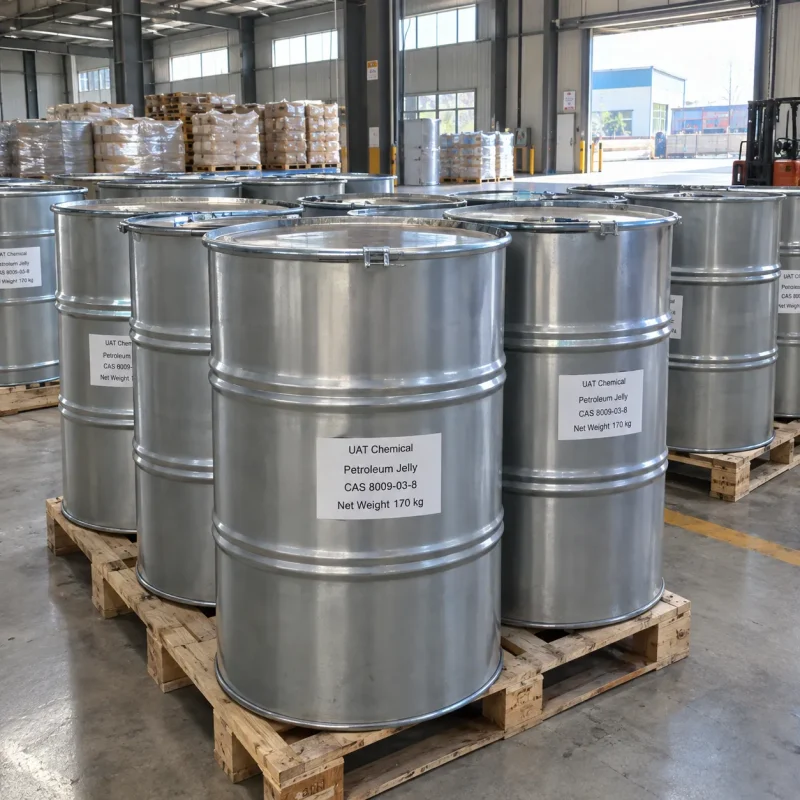
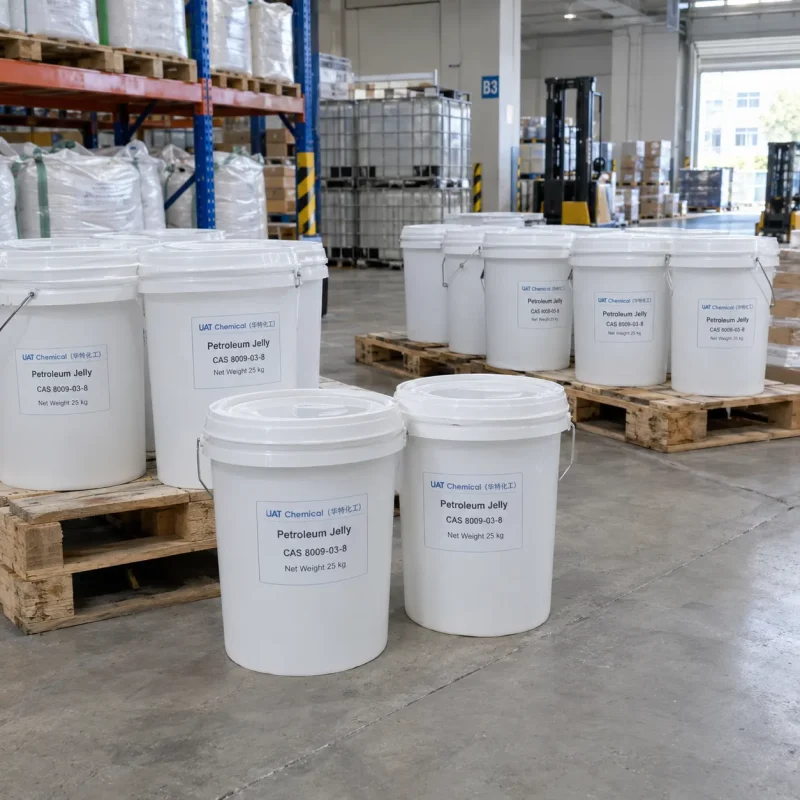
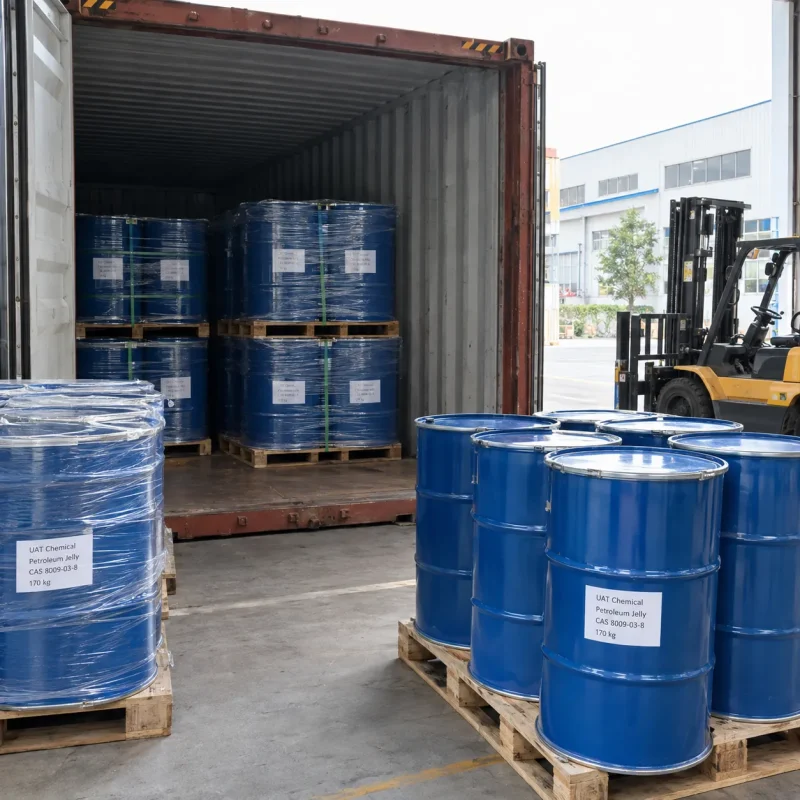
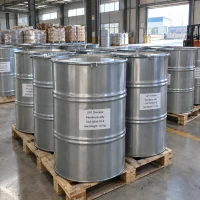
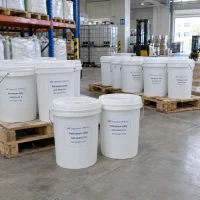
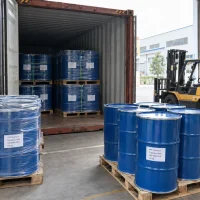
- Packaging: 25 kg pail / 170 kg galvanized steel drum, custom packing available
What Petroleum Jelly Is
Petroleum jelly, or petrolatum, is a purified semisolid hydrocarbon mixture from petroleum refining. The smooth white or yellow jelly softens on warming, is insoluble in water and dissolves in hot oils and hydrocarbon solvents. It forms an occlusive film that cuts moisture loss and gives body to balms and ointments. UATChem supplies white cosmetic and pharmacopoeia grades and yellow industrial grade, with color and refinement on the COA.
Personal Care, Pharmaceutical and Industrial Uses
- Personal care. A classic occlusive emollient and bodying agent in lip balm, hand and body balms, hair pomade, deodorant sticks, color cosmetics and baby care, sealing in moisture and adding structure.
- Pharmaceutical. Used as an ointment base and carrier for topical preparations and skin protectant products; petrolatum is listed in the FDA OTC skin protectant category, and pharmacopoeia grades aligned with USP, BP or PhEur requirements are available on request.
- Industrial. Serves light lubrication, rust and corrosion protection, metal and cable protection, rubber and leather processing, mold release and pet care products, where yellow grade is the common choice.
Typical Specifications
White, yellow, cosmetic, pharmacopoeia and industrial grades differ in color, refinement and drop melting point, reported on the COA for each lot; the table below identifies the material.
| Parameter | Typical Value |
|---|---|
| CAS / EC | 8009-03-8 / 232-373-2 |
| Synonyms | Petrolatum; white soft paraffin; mineral jelly |
| Type | Refined semisolid hydrocarbon |
| Color | White or yellow by grade |
| Appearance | Smooth, odorless jelly |
| Drop Melting Point | About 40 to 60 °C by grade |
| Solubility | Insoluble in water; soluble in hydrocarbon solvents and hot oils |
| HS Code | 2712.90.00 |
Packaging, Documents and Ordering
- Packed in 25 kg plastic pails and 170 kg galvanized steel drums, matching the pail and drum photos on the page and loaded for export by container; as a semisolid that firms up in the cold, gentle warming before filling or discharge returns it to a workable state without direct flame.
- Cosmetic, pharmacopoeia and industrial grades are supplied with COA, TDS and SDS for every lot. USP, BP or PhEur aligned material and documentation for OTC skin protectant use can be discussed against the destination pharmacopoeia and regulatory requirements.
- For a quote, UATChem needs the color and grade (white or yellow, cosmetic, pharmacopoeia or industrial), quantity, packing and destination port.
FAQ
Q: What is the difference between white and yellow petroleum jelly?
A: White jelly is more refined for cosmetic and pharmaceutical use; yellow grade serves industrial lubricating and protection.
Q: Is petroleum jelly the same as Vaseline?
A: Vaseline is the original petrolatum brand name; UATChem supplies the same unbranded material, petroleum jelly CAS 8009-03-8.
Q: Does petroleum jelly dissolve in water?
A: No, it is insoluble in water and forms an occlusive skin barrier, though it dissolves in hydrocarbon solvents and hot oils.
Related products
Ready to Source? Talk to Our Engineers
Industrial Chemical Raw Materials, Factory-Direct — Quote Within 1 Hour
Stable high-purity supply, flexible packaging and complete compliance documentation for your formulations — exporting worldwide since 2006.
- 1000+Products
- 200+QC Protocols
- 7–15Days Delivery
- Factory-Direct Pricing
- COA / TDS / SDS Included
- Free Samples for Testing
- ISO 9001 Certified