
Antioxidant 168 (AO-168) CAS 31570-04-4
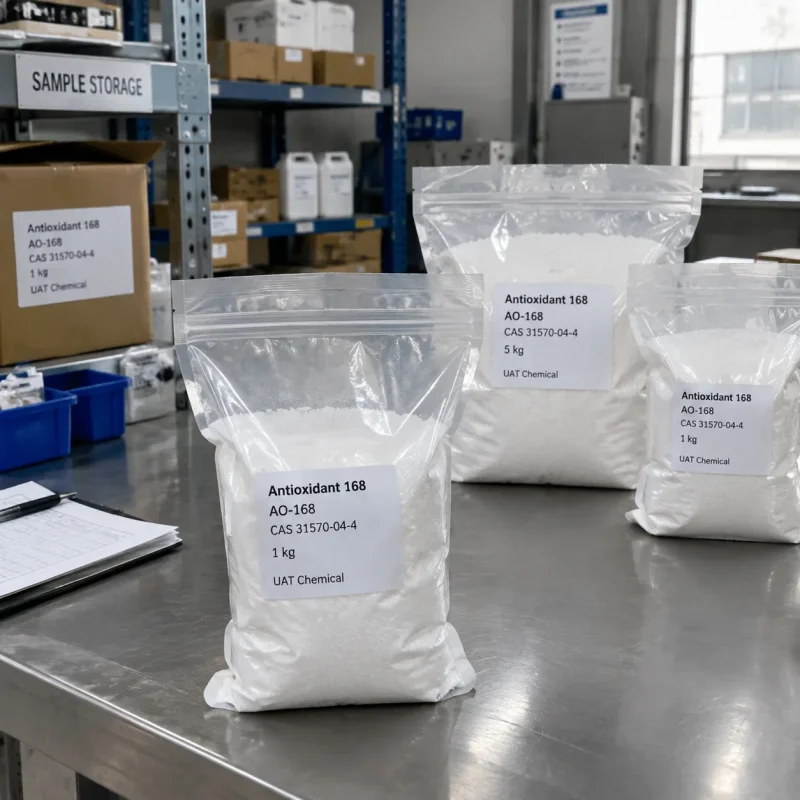
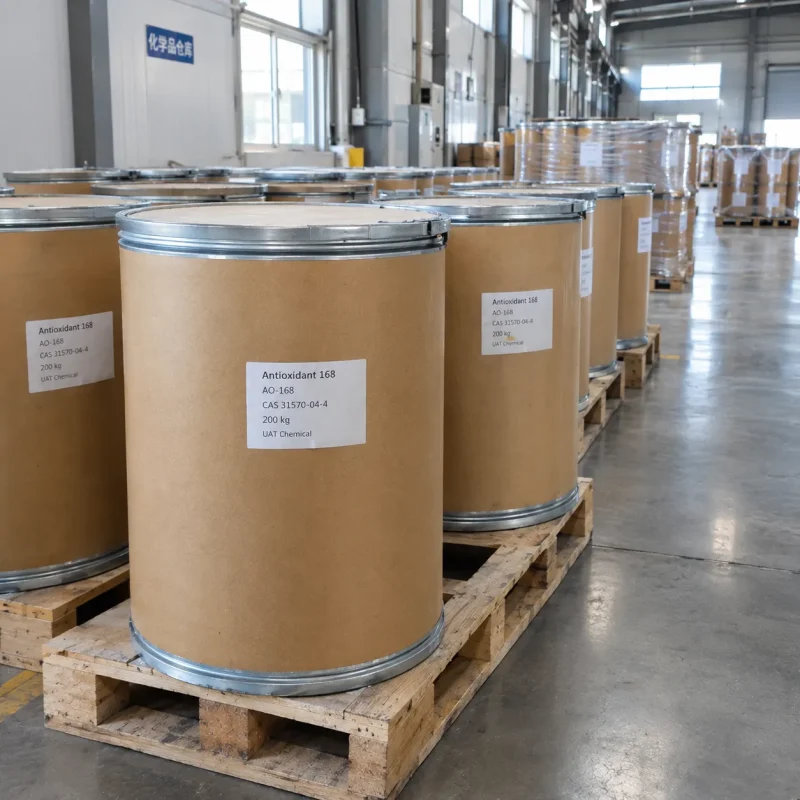
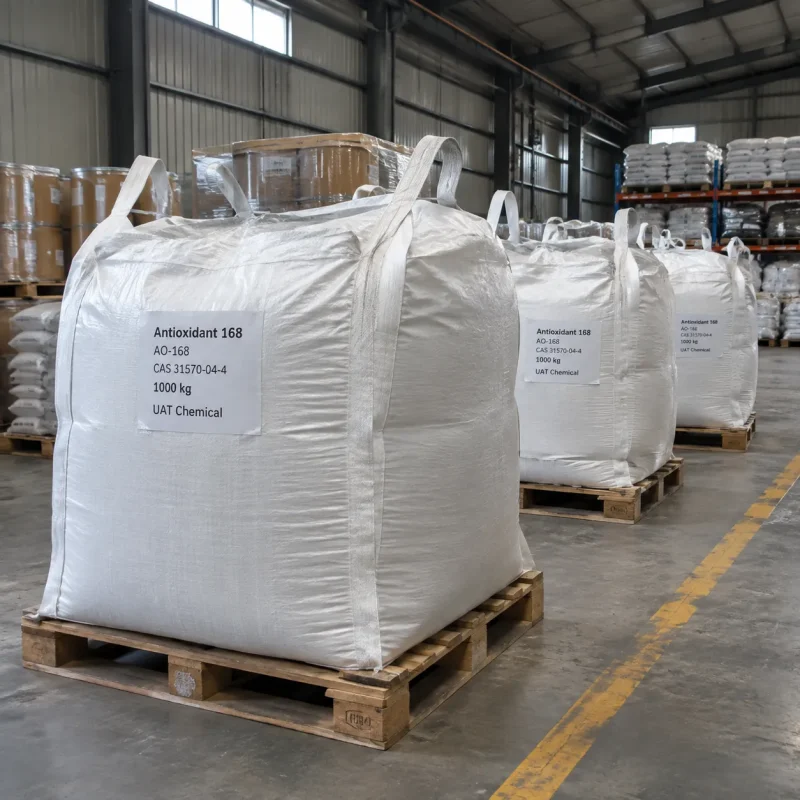
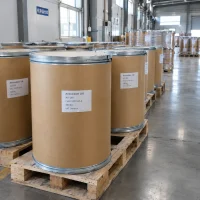
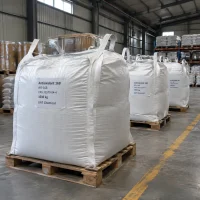
Antioxidant 168 (AO-168, CAS 31570-04-4) is a phosphite processing antioxidant that protects plastic during the hot moments — extrusion, compounding and molding. It breaks down the hydroperoxides that heat and oxygen create before they can turn into yellowing and a drifting melt flow, mostly in polypropylene and polyethylene, and it is normally paired with a phenolic antioxidant such as AO-1010 or AO-1076. We supply it as a white crystalline powder in 25 kg kraft bags or fibre drums; tell us the resin and processing temperature and we will confirm the grade and blend ratio.
- CAS: 31570-04-4
- EC Number: 250-709-6
- Synonyms: AO-168; tris(2,4-di-tert-butylphenyl) phosphite; Irgafos 168 type
- Molecular Formula: C42H63O3P
- Molecular Weight: 646.93 g/mol
- Appearance: White crystalline powder
- Main Applications: PP and PE processing, masterbatch production, recycled polyolefin stabilization
- Packaging: 25 kg kraft bag with PE liner; fibre drum, custom packing available
What Antioxidant 168 Does for Plastic
Every time a polymer is melted, heat and oxygen start to age it. AO-168 is a secondary (processing) antioxidant: it hunts down the hydroperoxides formed in the melt and breaks them apart before they cascade into free radicals that yellow the plastic and move its melt flow off target. It does a different job from a phenolic antioxidant such as AO-1010 or AO-1076. The phenolic blocks the radical chain reaction while AO-168 clears the hydroperoxides, so the two are normally used together, with the ratio set by the resin, processing heat and required service life.
Where AO-168 Is Used
- Polypropylene compounds and fibers. Keeps melt flow and color steady while filled compounds, molded parts, sheet and fibers are being made.
- Polyethylene film and extrusion. Used in HDPE, LDPE and LLDPE stabilization systems to cut oxidative degradation during melt processing.
- Masterbatches. Protects the carrier resin while the concentrate is made, and again after it is let down into the final product.
- Recycled polyolefins. Tops up the antioxidant already used up in recycled PP and PE so reprocessing does not age the material further.
Typical Specifications
| Test Item | Specification |
|---|---|
| Purity (HPLC) | ≥ 99.0% |
| Melting Range | 183 – 187 °C |
| Acid Value | ≤ 0.1 mg KOH/g |
| Loss on Drying | ≤ 0.3% |
Storage, Handling and Packaging
- Keep bags tightly closed in a cool, dry place. AO-168 resists hydrolysis reasonably well for a phosphite, but long exposure to damp air lowers active content. Reseal opened containers and keep condensation out.
- Minimize dust during weighing and transfer, and follow the current SDS for handling precautions.
- Packaging: 25 kg kraft paper bags with PE liners and fibre drums; non-hazardous general cargo.
- COA, TDS and SDS with every order; samples available; quotes within one working day.
FAQ
Q: How much AO-168 should be added to PP or PE?
A: Depends on resin, melt heat and the phenolic AO; set the level by production trials.
Q: Can Antioxidant 168 replace Antioxidant 1010?
A: No. 168 clears hydroperoxides while 1010 blocks radical chains; they are used as a pair.
Q: Is AO-168 suitable for transparent polyethylene film?
A: Yes, but clarity depends on loading and dispersion; check haze and yellowness on film.
Q: Can AO-168 restore degraded recycled plastic?
A: It slows further aging but cannot rebuild broken chains; trial on real recyclate.
Related products
Ready to Source? Talk to Our Engineers
Industrial Chemical Raw Materials, Factory-Direct — Quote Within 1 Hour
Stable high-purity supply, flexible packaging and complete compliance documentation for your formulations — exporting worldwide since 2006.
- 1000+Products
- 200+QC Protocols
- 7–15Days Delivery
- Factory-Direct Pricing
- COA / TDS / SDS Included
- Free Samples for Testing
- ISO 9001 Certified