
PSPPP Polysulfonyl Phenyl Phenylene Phosphonate CAS 35398-70-0
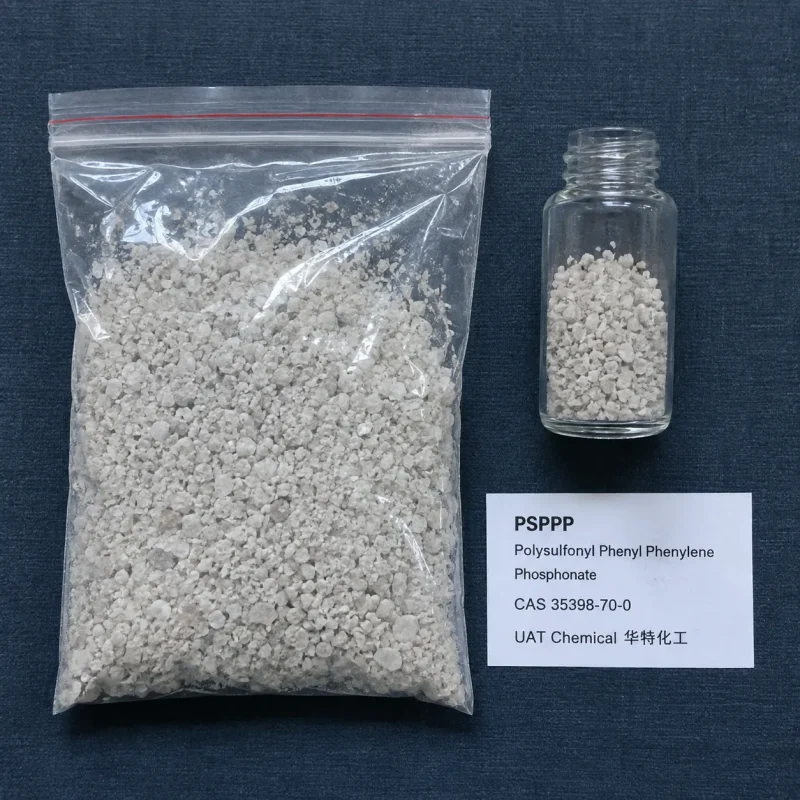
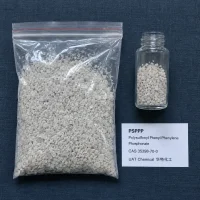
PSPPP (CAS 35398-70-0) is a phosphorus-based flame retardant supplied as granules, not powder, so it feeds cleanly into plastic compounding and spinning lines. Because it is a polymer itself, it survives the high heat of processing and stays inside the product for its lifetime instead of bleeding out — the reason flame-retardant polyester curtains and upholstery keep working after washing. We supply 99% min granules for PET/PBT fiber, PC and PA compounds in 25 kg bags or 500 kg bulk bags; tell us the plastic and the fire standard and we will send the matched grade.
- CAS: 35398-70-0
- Synonyms: Polysulfonyl Phenyl Phenylene Phosphonate
- Repeat-Unit Formula: (C18H13O5PS)n
- Appearance: White to off-white granules
- Content: 99.0% min
- Phosphorus Content: 6.0 – 7.5%
- Softening Point: 130 – 160 °C
- Decomposition Temp (5% wt loss): ≥ 380 °C
- Acid Value: ≤ 2.0 mg KOH/g
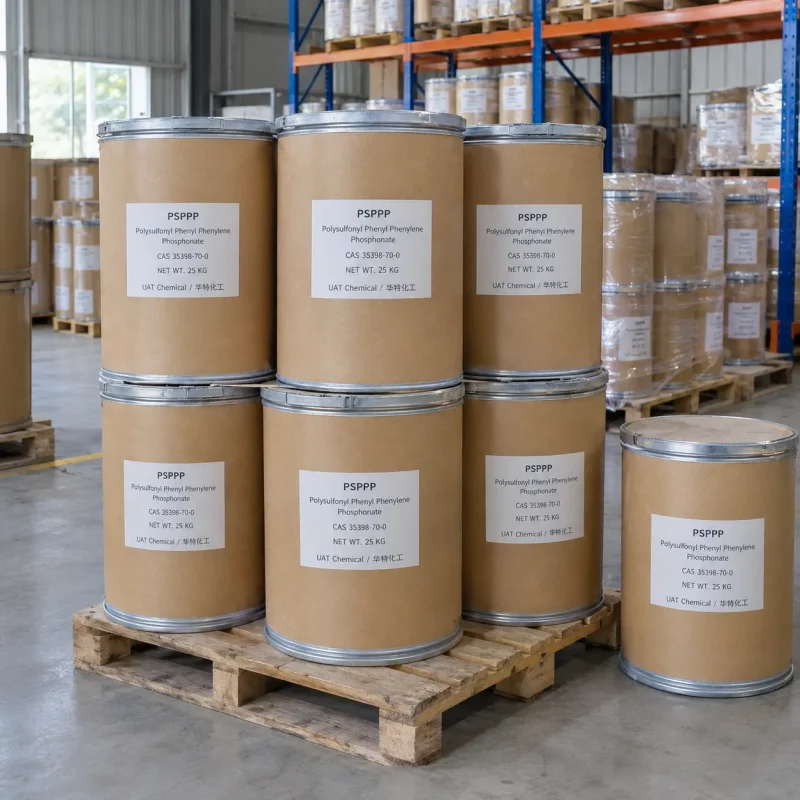
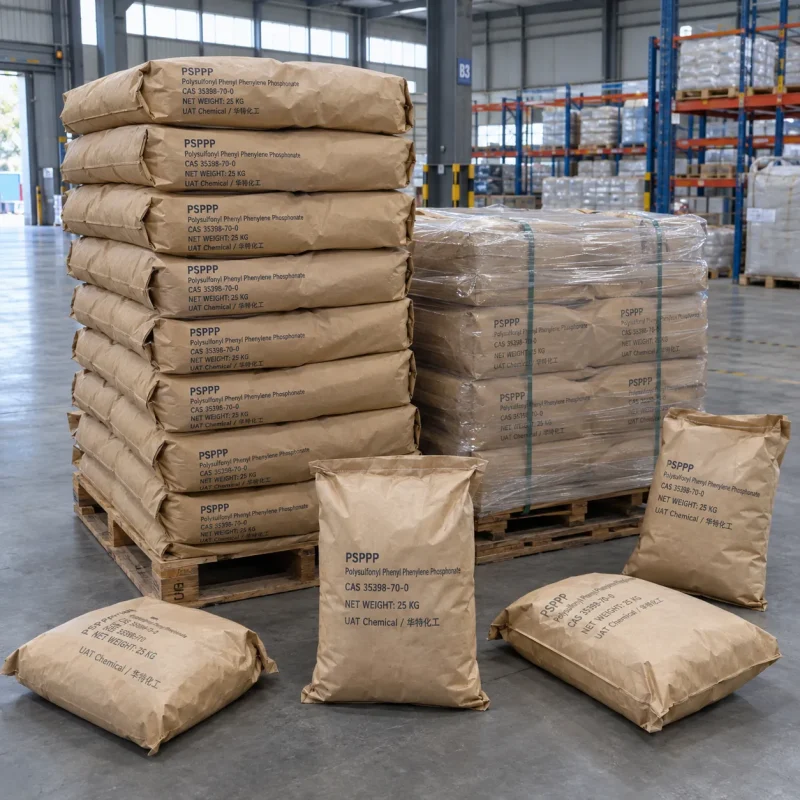
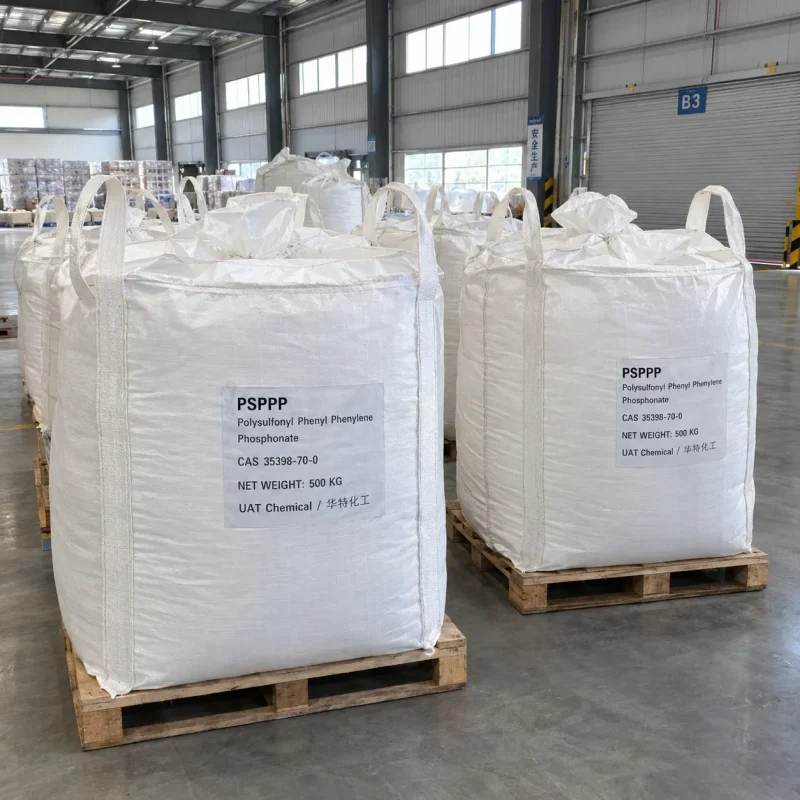
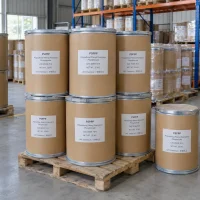
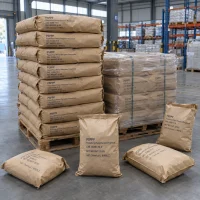
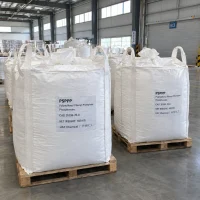
- Packaging: 25 kg bag / fibre drum; 500 kg bulk bag, custom packing available
What PSPPP Does
PSPPP is a phosphorus-based flame retardant in granule form, mixed into plastic before molding or spinning so the material resists ignition and slows a fire, with little smoke and no chlorine or bromine. Being a polymer itself, it takes the high heat of plastic processing and stays inside the product for its lifetime rather than bleeding out to the surface. For that reason, flame-retardant polyester yarn and electrical plastic parts that must keep a light, clean color usually rely on PSPPP.
Applications
- Polyester fibers and fabrics. Added to PET before spinning for fire-resistant curtains, upholstery, car interiors and workwear that stay flame-retardant after washing.
- Electrical plastic parts. Connectors, switches and terminal blocks in PBT/PET that need to resist fire and keep a light, clean color.
- Housings and plastic alloys. PC and PC/ABS casings for home appliances and electronics.
- Other plastics. Nylon (PA), TPU and compounds where a halogen-free, non-blooming flame retardant is needed.
Specifications
| Property | Typical Value |
|---|---|
| Repeat-Unit Formula | (C18H13O5PS)n |
| Content | 99.0% min |
| Phosphorus Content | 6.0 – 7.5% |
| Sulfur Content | 10.0 – 13.0% |
| Softening Point | 130 – 160 °C |
| Decomposition Temp (5% wt loss) | ≥ 380 °C |
| Acid Value | ≤ 2.0 mg KOH/g |
| Moisture / Volatile Matter | ≤ 0.5% |
Packaging, Storage and Ordering
- Packaging: 25 kg bags or fibre drums, 500 kg bulk bags.
- Store sealed in a dry place and dry before high-temperature processing. Non-hazardous cargo.
- COA, TDS and SDS with every order; samples available; quotes within one working day.
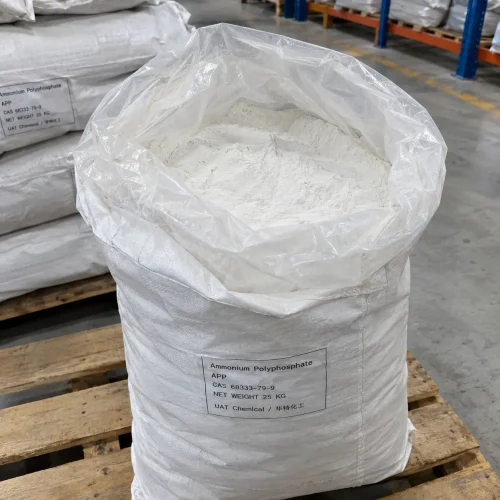
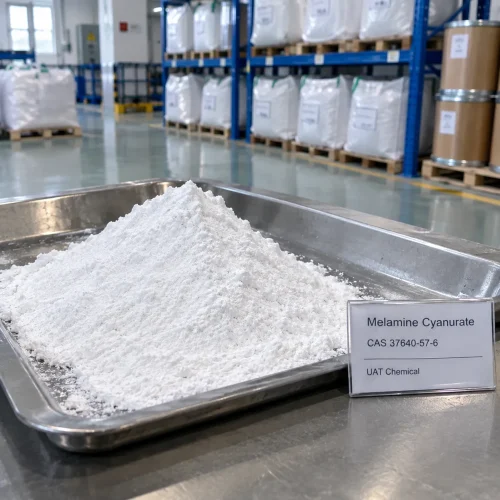
- For a matched grade, tell us the plastic you use, the fire standard you need and the quantity. Related halogen-free lines: Ammonium Polyphosphate (APP) CAS 68333-79-9 and Melamine Cyanurate (MCA) CAS 37640-57-6.
FAQ
Q: What is PSPPP used for?
A: It gives polyester fibers and plastic parts fire resistance, with no chlorine or bromine.
Q: Is it halogen-free?
A: Yes. It contains no chlorine or bromine and produces little smoke when the plastic burns.
Q: Why supply it as granules instead of powder?
A: Granules stay low-dust, feed easily and blend evenly into the plastic.
Q: Does the flame resistance wash out of fabric?
A: No. It is added before spinning, so it stays inside the fiber even after washing.
Related products
Ready to Source? Talk to Our Engineers
Industrial Chemical Raw Materials, Factory-Direct — Quote Within 1 Hour
Stable high-purity supply, flexible packaging and complete compliance documentation for your formulations — exporting worldwide since 2006.
- 1000+Products
- 200+QC Protocols
- 7–15Days Delivery
- Factory-Direct Pricing
- COA / TDS / SDS Included
- Free Samples for Testing
- ISO 9001 Certified