
Triclocarban (TCC) CAS 101-20-2
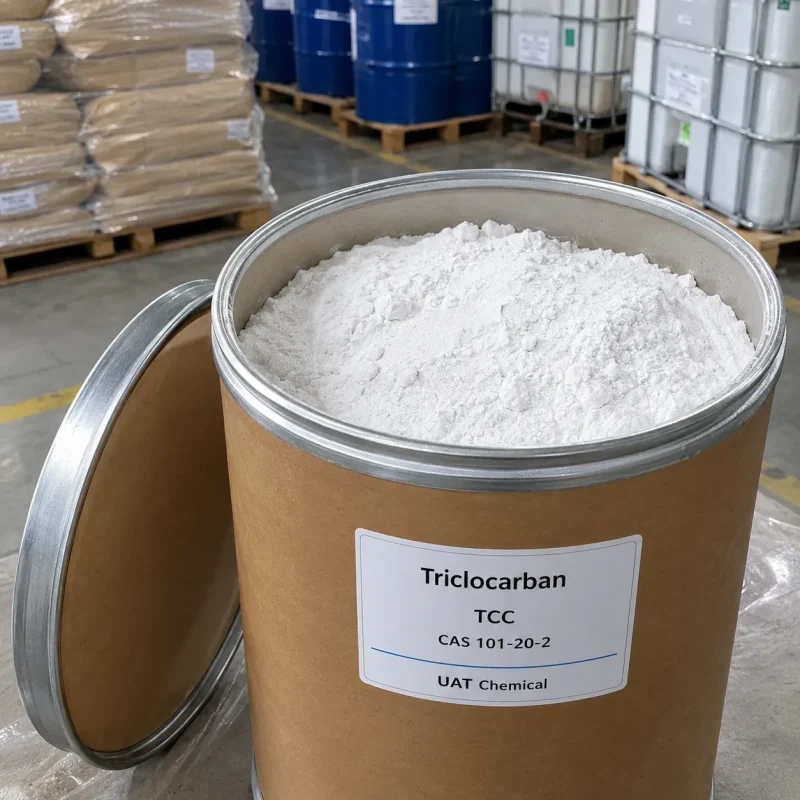
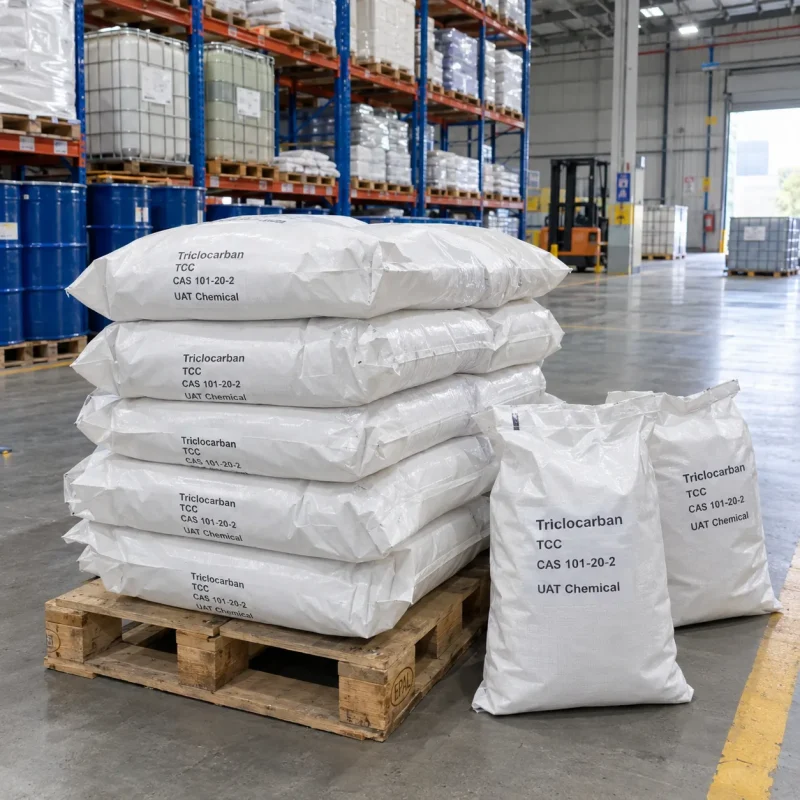
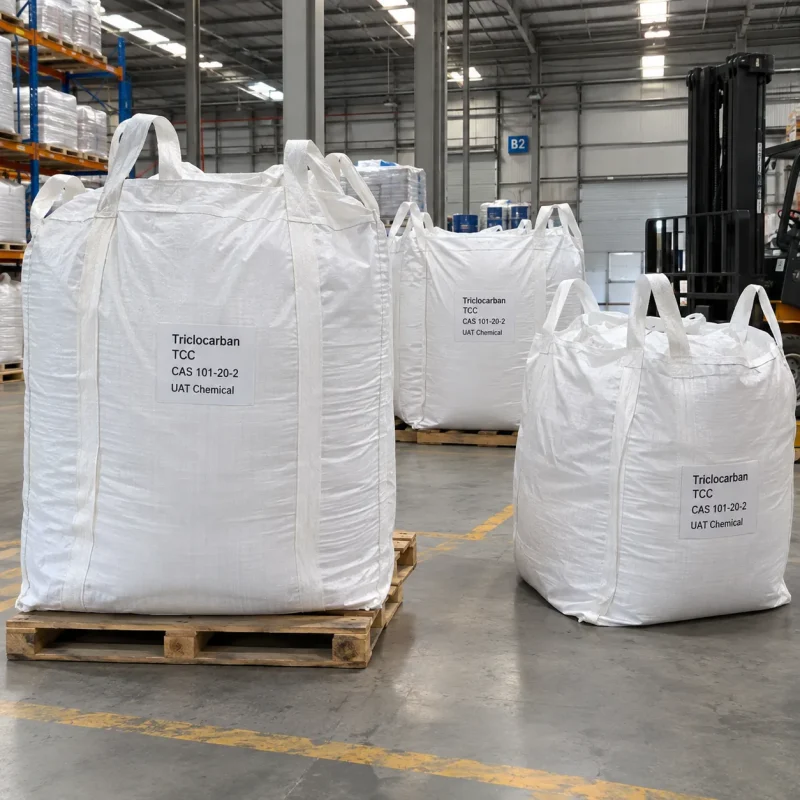
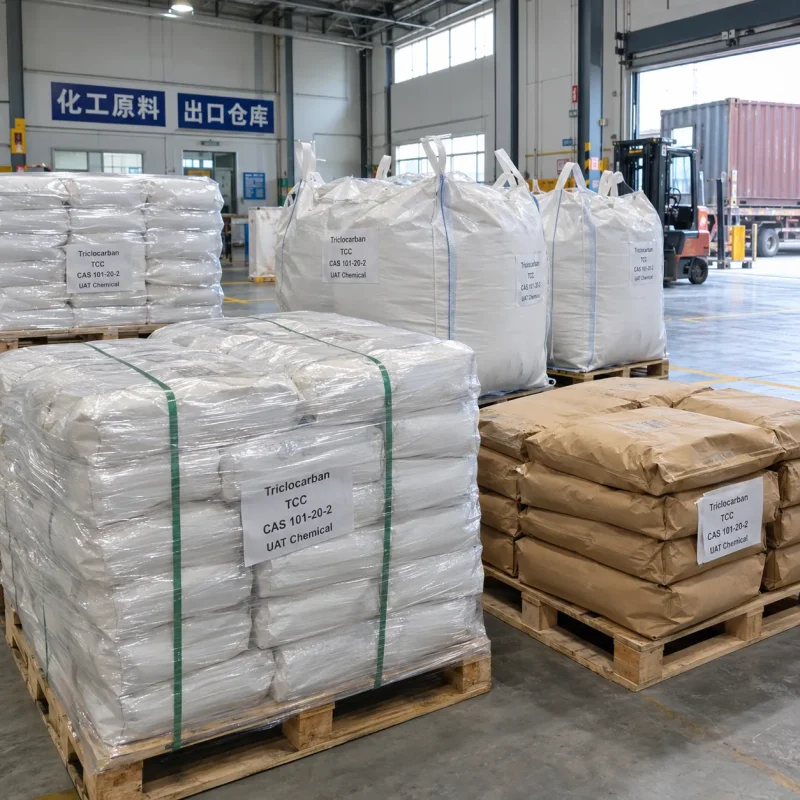
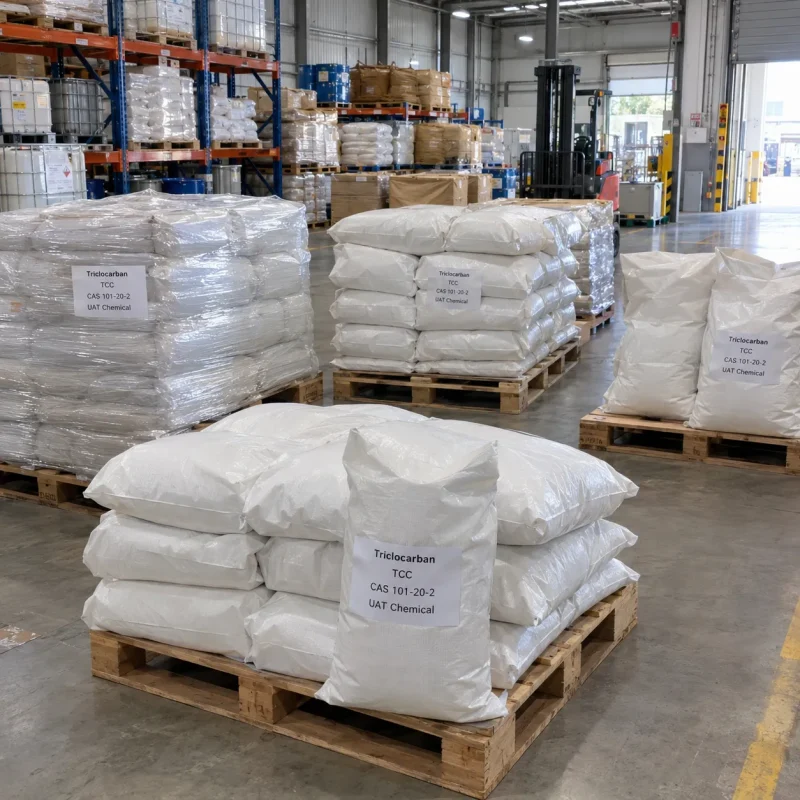
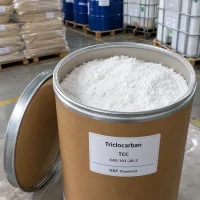
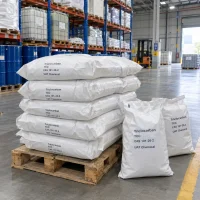
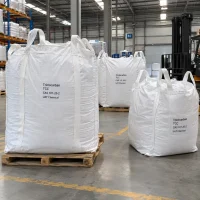
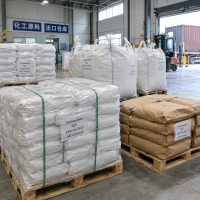
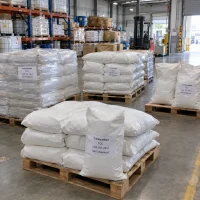
Triclocarban, shortened to TCC (CAS 101-20-2), is a trichlorinated carbanilide, a white, almost odorless fine powder with a high melting point and practically no solubility in water. The urea linked molecule is heat and alkali stable, skin compatible and active mainly against gram positive bacteria, so it holds up in soap bases and solid products. UATChem supplies triclocarban powder for antibacterial and deodorant bar soaps and washes, textile and footwear odor control finishes, and plastic, rubber, sponge and foam protection, plus hard surface hygiene formulations. Rinse off consumer washes are restricted in some markets, so buyers confirm local cosmetic and biocide rules before use. Material runs in 25 kg woven bags or fiber drums and FIBC bulk bags; send the grade, quantity and destination for a quote with COA and SDS.
- CAS: 101-20-2
- EC Number: 202-924-1
- Synonyms: TCC; 3,4,4′-trichlorocarbanilide
- Molecular Formula: C₁₃H₉Cl₃N₂O
- Molecular Weight: 315.58
- Appearance: White to off-white fine powder, nearly odorless
- Melting Point: About 254 – 256 °C
- Solubility: Practically insoluble in water; soluble in acetone, hot solvents
- Type: Chlorinated carbanilide antibacterial agent
- Use: Antibacterial soap, deodorants, textiles, polymers, sponges
- Stability: Heat and alkali stable, skin compatible
- Packaging: 25 kg woven bag / fiber drum; FIBC, custom packing available
What Triclocarban (TCC) Is
Triclocarban is a chlorinated carbanilide, two aromatic rings joined through a urea group, sold as a white to off-white fine powder that melts above 250 °C and barely dissolves in water but dissolves in acetone and hot organic solvents. Triclocarban is heat and alkali stable and tolerates soap making conditions, and it is gentle on skin while acting mainly against gram positive bacteria. This profile sets it apart from water based quaternary disinfectants: triclocarban is built into solid bars, finished goods and polymers rather than diluted into liquid sanitizers. UATChem supplies cosmetic and industrial oriented material, with assay and particle size reported on the COA for each lot.
Soap, Textile and Polymer Antibacterial Use
- Bar soap and deodorants. Used in antibacterial and deodorant bar soaps, body washes and deodorant sticks in markets where the application is permitted.
- Textiles and footwear. Added to odor control finishes for socks, sportswear, home textiles, carpets and shoe materials.
- Plastics and sponges. Protects cleaning sponges, polyurethane foam, rubber, silicone and plastic masterbatches against bacterial growth.
- Hard surface and industrial. Included in hard surface and institutional hygiene formulations and treated medical or industrial textiles.
Rules differ by region: rinse off consumer washes containing triclocarban are restricted or withdrawn in some markets while textile, polymer and industrial uses continue, so local cosmetic and biocide requirements should be confirmed before use.
Typical Specifications
Cosmetic and industrial grades differ in assay and particle size; values are reported on the COA for each lot, and the physical constants below identify the material.
| Parameter | Typical Value |
|---|---|
| Appearance | White to off-white fine powder, nearly odorless |
| Melting Point | About 254 – 256 °C |
| Solubility | Practically insoluble in water; soluble in acetone, hot solvents |
| Type | Chlorinated carbanilide antibacterial agent |
| Form | Fine powder; cosmetic / industrial grade, COA per lot |
Packaging, Documents and Ordering
- Packed in 25 kg woven bags or fiber drums with liner and in FIBC bulk bags, palletized and wrapped for export; packs stay sealed, dry, cool and shaded away from moisture.
- The dust irritates eyes and the respiratory tract and triclocarban is very toxic to aquatic life and environmentally monitored, so release to waterways is avoided and waste follows local rules, with transport classification on the SDS. Every lot carries a COA with assay, particle size and melting point, plus TDS and SDS; compliance for the finished product rests with the buyer under local cosmetic and biocide rules, and samples are supported.
- For a quote, UATChem needs the grade (cosmetic or industrial), quantity, packing and destination port.
FAQ
Q: What is triclocarban (TCC) used for?
A: It is a water resistant antibacterial for deodorant soaps, textile odor control, and plastics, sponges and foam protection.
Q: Is triclocarban soluble in water?
A: No, it is nearly insoluble in water and dissolves in acetone, so it is built into soap, textiles and polymers, not sanitizers.
Q: Is triclocarban allowed in consumer soap?
A: Rinse off washes are restricted in some markets, so buyers confirm local cosmetic and biocide rules before using triclocarban.
Related products
Ready to Source? Talk to Our Engineers
Industrial Chemical Raw Materials, Factory-Direct — Quote Within 1 Hour
Stable high-purity supply, flexible packaging and complete compliance documentation for your formulations — exporting worldwide since 2006.
- 1000+Products
- 200+QC Protocols
- 7–15Days Delivery
- Factory-Direct Pricing
- COA / TDS / SDS Included
- Free Samples for Testing
- ISO 9001 Certified