
Ammonium Polyphosphate (APP) CAS 68333-79-9
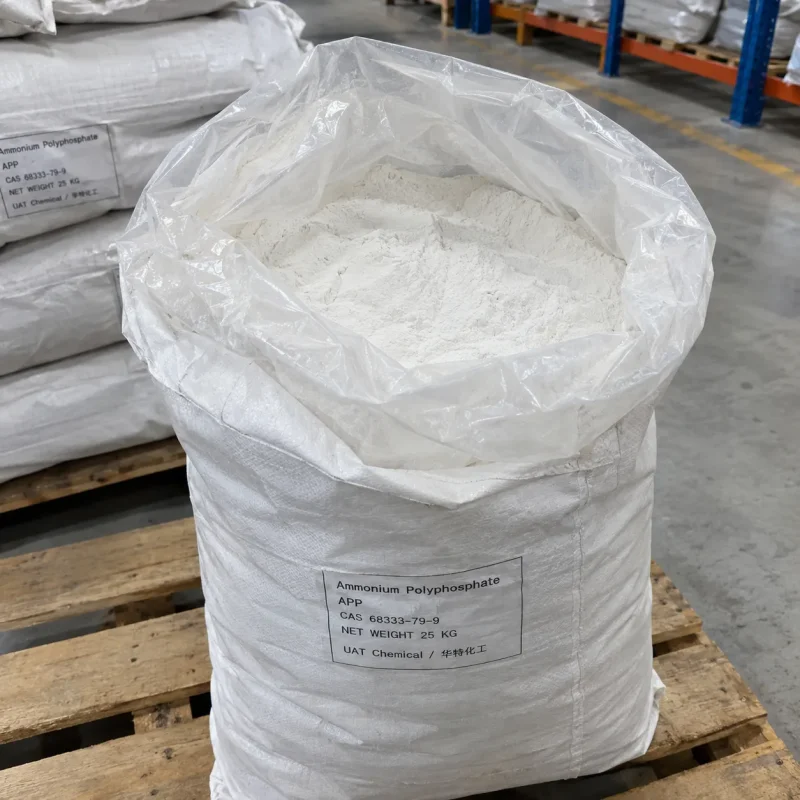
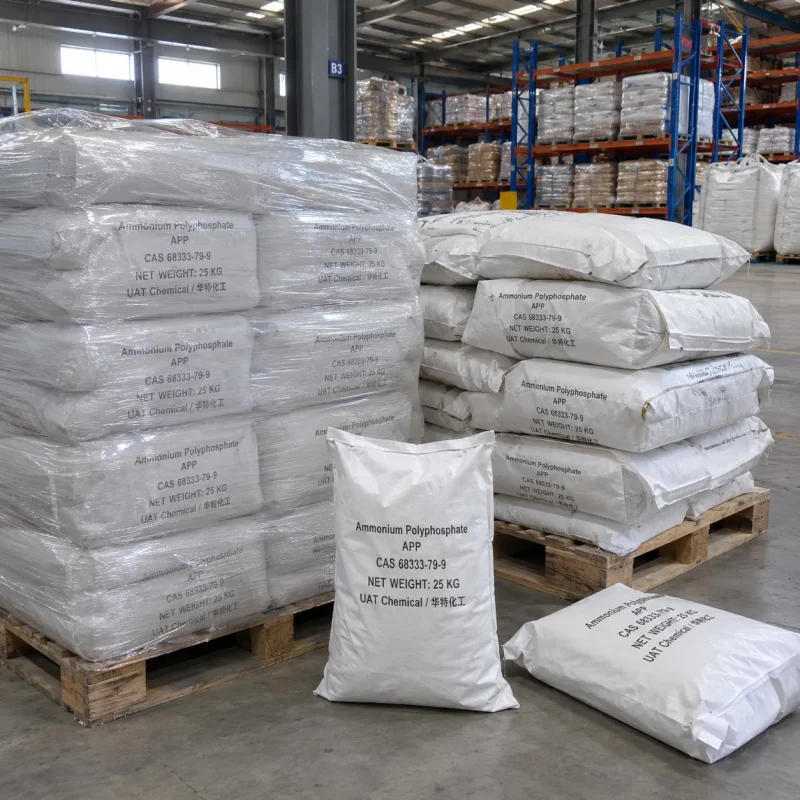
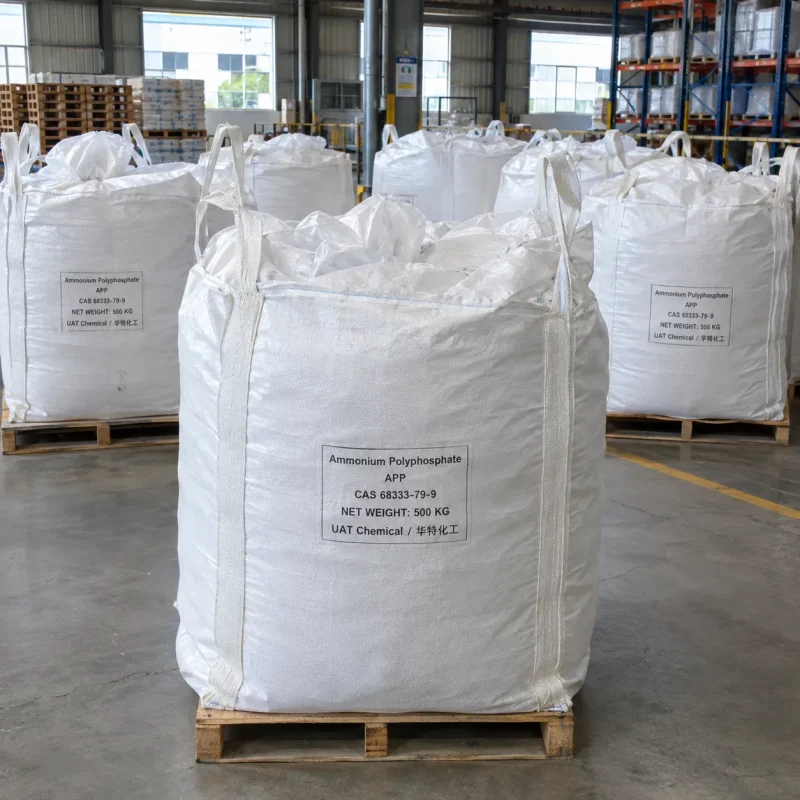
Ammonium Polyphosphate (APP, CAS 68333-79-9) is a white, halogen-free phosphorus-nitrogen salt that swells into a foamy char under flame — the acid source at the heart of most intumescent fire-retardant systems. It flame-retards steel and timber coatings, polypropylene, polyurethane foam, wood, paper and textiles, and short-chain grades also go into extinguisher powder and fertilizer. We supply phase I and water-resistant phase II grades, coated or uncoated, in 25 kg bags or 500 kg FIBC bulk bags; tell us the resin or coating system and we will match the phase.
- CAS: 68333-79-9
- EC Number: 269-789-9
- Synonyms: APP; polyphosphoric acid ammonium salt
- General Formula: (NH4PO3)n
- Appearance: White powder
- Grades: Phase I (water-soluble) / Phase II (water-resistant)
- P2O5 Content: 71.0% min (phase II)
- Nitrogen Content: 14.0% min
- Decomposition Onset: ≥ 250 °C (phase II)
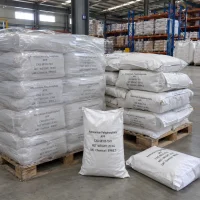
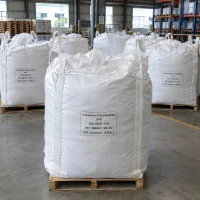
- Packaging: 25 kg bag; 500 kg FIBC bulk bag, custom packing available
What Is APP?
APP is a white, odorless inorganic salt built from phosphorus and nitrogen, with no chlorine or bromine. Under flame it releases phosphorus acids that turn the surface into carbon while nitrogen gases puff that carbon into a thick foamy char, a fire blanket that insulates the material underneath, starves the flame of oxygen and holds down smoke. Two families cover the market: short-chain phase I dissolves in water and suits dips, extinguisher powder and fertilizer; long-chain phase II barely dissolves and stands up to processing heat, so it is the grade for fire coatings and plastic compounds. In most formulas APP is the acid source rather than a one-ingredient answer, paired with a carbon source and a blowing agent to build a strong, even char.
What APP Is Used For
- Intumescent fire coatings. The largest outlet is coatings for structural steel, timber and cable that swell into an insulating char in a fire; water-resistant phase II keeps the coating durable in humid service.
- Plastics and polyurethane. Halogen-free flame retardancy for injection-molded and extruded PP, rigid and flexible PU foam and epoxy systems, with dispersion and loading tuned to keep surface and strength.
- Wood, paper and textiles. Water-soluble phase I in dip or spray treatments for timber, wood-plastic composites, paper and fabric that need a wash-off-resistant char after drying.
- Fire extinguishers and fertilizer. Short-chain APP is a base of ABC dry chemical powder and a slow-release nitrogen-phosphorus fertilizer, a separate line from flame-retardant grades.
Grade Specifications
| Property (Phase II, Flame-Retardant Grade) | Typical Value |
|---|---|
| General Formula | (NH4PO3)n |
| Polymerization Degree | n > 1000 |
| P2O5 Content | 71.0% min |
| Nitrogen Content | 14.0% min |
| Water Solubility (25 °C) | Low (phase II) |
| Decomposition Onset | ≥ 250 °C |
| pH (10% Slurry) | 5.5 – 7.0 |
| Moisture | 0.5% max |
Typical values for long-chain phase II; lot-specific figures follow the COA, and phase I, coated and fine-particle grades are available on request.
Storage, Packaging and Ordering
- Keep APP dry in sealed original packaging and reseal partly used bags promptly. It picks up moisture from damp air, which affects flow and formulation stability.
- In thermoplastic processing stay below the decomposition range to avoid early ammonia release; in liquid systems check dispersion stays uniform after aging.
- Packaging: 25 kg bags and 500 kg FIBC bulk bags; non-hazardous general cargo.
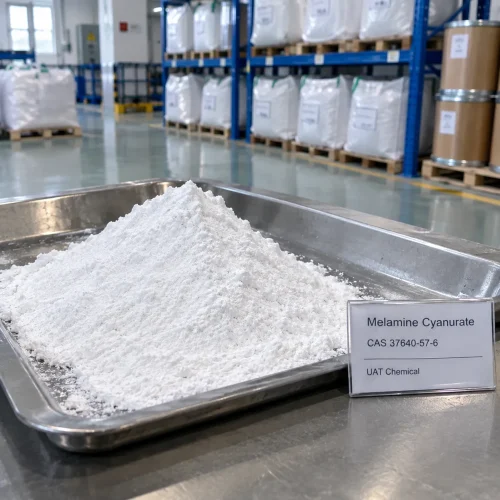
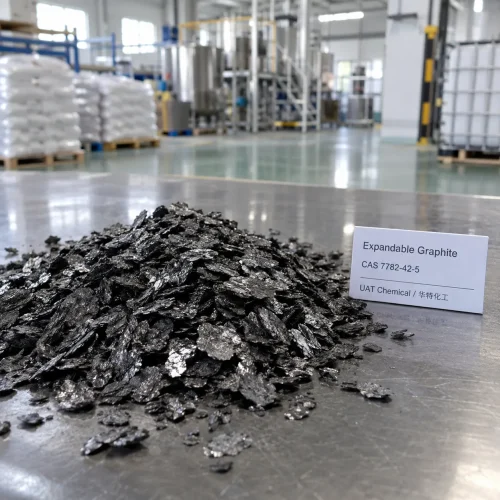
- State phase (I or II), coated or uncoated, particle size, target system, quantity, destination and document needs in your RFQ. Halogen-free partners that work by a different mechanism include Melamine Cyanurate (MCA) CAS 37640-57-6 and Expandable Graphite CAS 7782-42-5; COA, TDS and SDS with every order, quotes within one working day.
FAQ
Q: What is the difference between phase I and phase II?
A: Phase I is short-chain and soluble; long-chain phase II resists water for FR use.
Q: Can APP be the only flame retardant in a formula?
A: Usually not; it pairs with a carbon source and a blowing agent for a stable char.
Q: Is APP halogen-free?
A: Yes. It holds only phosphorus, nitrogen, hydrogen and oxygen, with no chlorine or bromine.
Q: Besides flame retardants, where else is APP used?
A: Short-chain grades also go into ABC fire-extinguisher powder and slow-release NP fertilizer.
Q: How should APP be stored?
A: Dry and sealed; damp air causes moisture pickup, hurting flow and stability.
Related products
Ready to Source? Talk to Our Engineers
Industrial Chemical Raw Materials, Factory-Direct — Quote Within 1 Hour
Stable high-purity supply, flexible packaging and complete compliance documentation for your formulations — exporting worldwide since 2006.
- 1000+Products
- 200+QC Protocols
- 7–15Days Delivery
- Factory-Direct Pricing
- COA / TDS / SDS Included
- Free Samples for Testing
- ISO 9001 Certified