
Dioctyl Phthalate DOP CAS 117-81-7
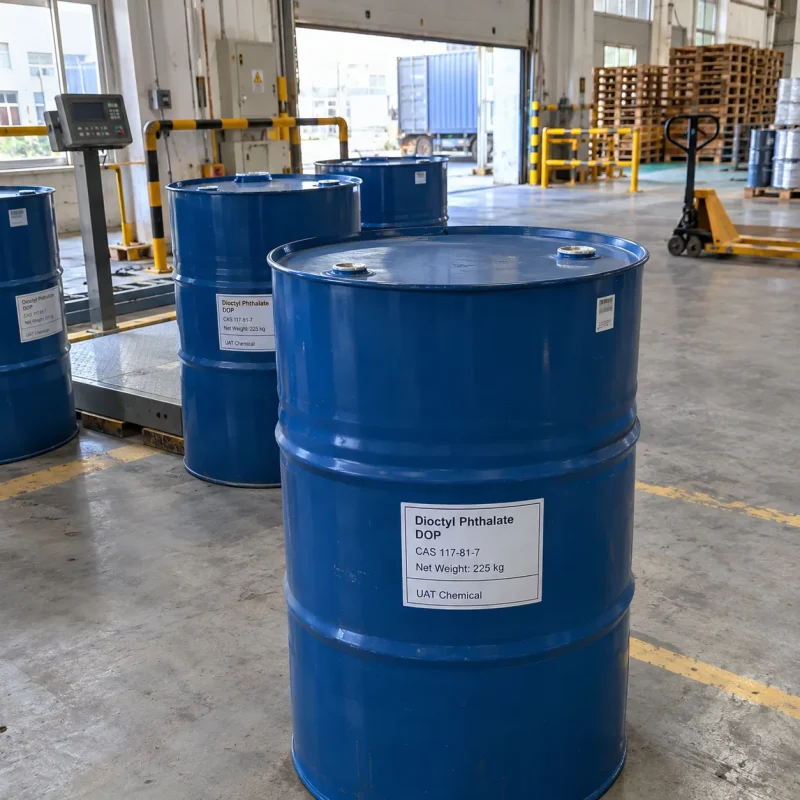
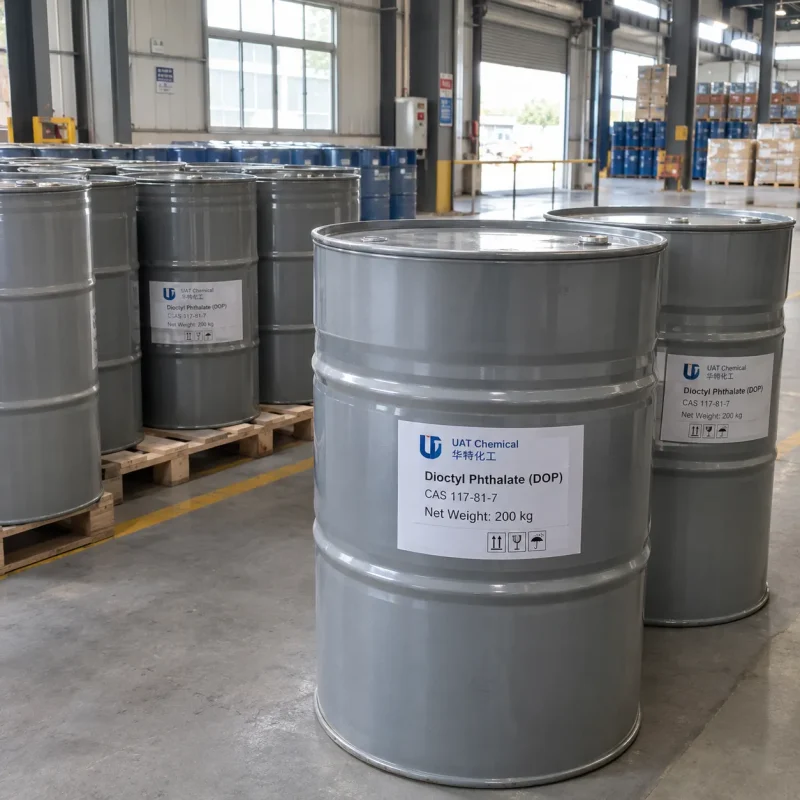
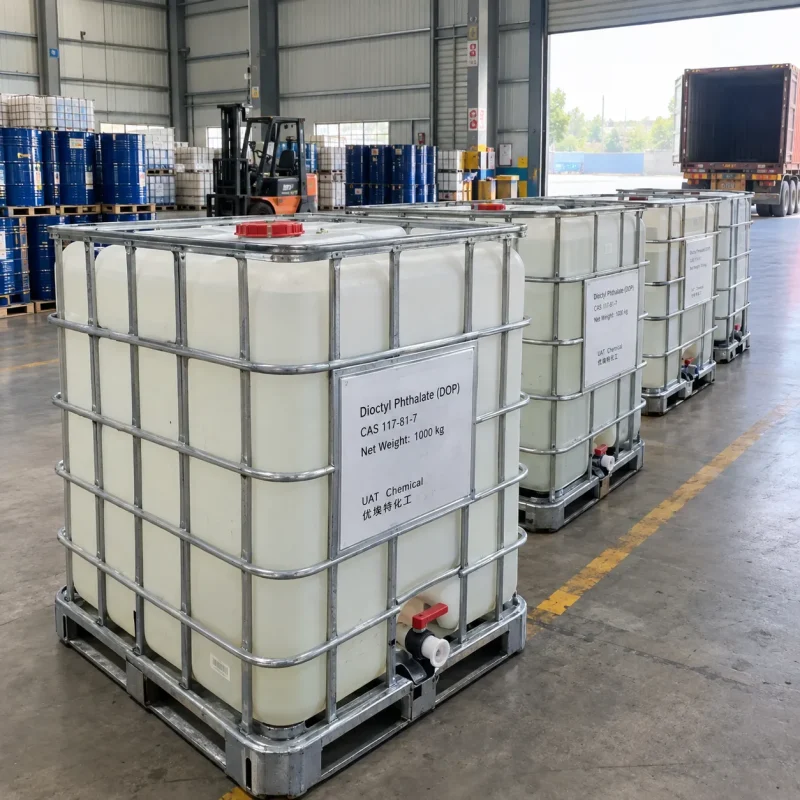
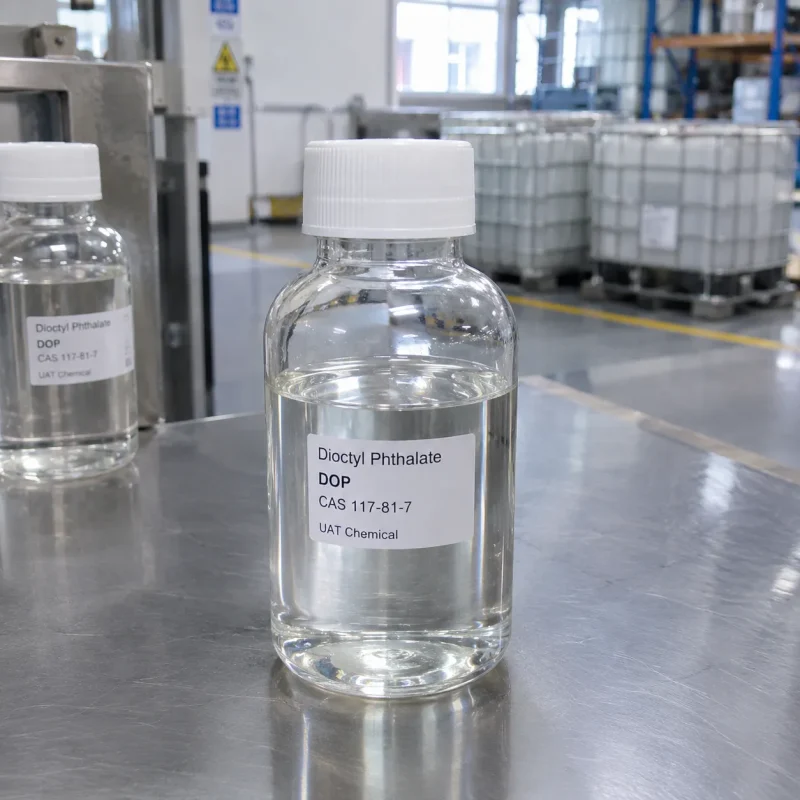
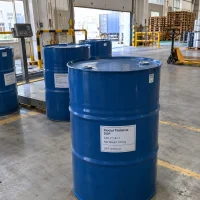
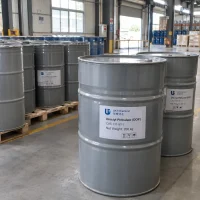
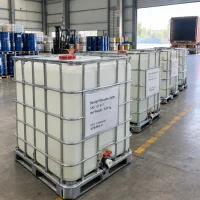
Dioctyl Phthalate (DOP, CAS 117-81-7) is the workhorse plasticizer that turns rigid PVC resin into flexible film, cable, hose, flooring and synthetic leather. On the order sheet it is the same chemical as DEHP, so we quote by CAS number to keep it apart from di-n-octyl phthalate. Loading is set in phr against hardness and the finished part’s service requirements. We supply it as a clear oily liquid in 225 kg steel drums or 1000 kg IBCs; tell us the application and target Shore hardness and we will confirm the grade and loading advice.
- CAS: 117-81-7
- EC Number: 204-211-0
- Synonyms: DOP; DEHP; di(2-ethylhexyl) phthalate; dioctyl phthalate
- Molecular Formula: C24H38O4
- Molecular Weight: 390.56 g/mol
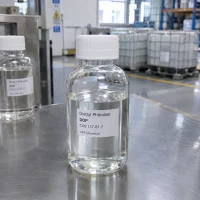
- Appearance: Clear, colorless oily liquid
- Primary Function: Plasticizer for flexible PVC
- Packaging: 225 kg steel drum; 1000 kg IBC, custom packing available
Controlling Flexibility in PVC
DOP plasticizes PVC by increasing polymer chain mobility and lowering the glass transition temperature, which lets a rigid resin form flexible compounds across a range of hardness and elongation. Raising the DOP loading generally makes a compound softer, but it also changes tensile properties, dimensional stability and resistance to extraction. The target is the right balance of flexibility and property retention, judged in the complete formulation rather than from plasticizer content alone.
Processing Routes and Typical Uses
- Calendered film and sheet. Flexible PVC sheet, flooring layers and related products, where plasticizer loading influences flexibility, handling and the feel of the finished surface.
- Extruded and molded compounds. Permitted hose, cable and footwear applications; selection depends on hardness, processing behavior and performance after heat aging or contact with liquids.
- Plastisols and coated fabrics. Forms the liquid plasticizer phase in PVC dispersion systems used for coatings and synthetic leather; resin choice and the plasticizer blend affect paste viscosity, storage behavior and gelation during heating.
Reference Physical Properties
| Property | Reference Value | Conditions or Basis |
|---|---|---|
| Density | Approximately 0.981 g/cm³ | At 25 °C; literature value, not a batch acceptance limit |
| Boiling Point | Approximately 384 °C | At atmospheric pressure; not a recommended processing temperature |
| Water Solubility | Practically insoluble | Does not establish extraction resistance in a finished PVC article |
What Matters When Comparing DOP Grades
For supply qualification, compare ester content, color, acid value and water content using the agreed test methods. Color matters most for clear or lightly tinted products; water can cause bubbles or processing defects, and acid value flags differences in residual acidity. In compound trials, check hardness together with tensile strength, elongation and the properties required after aging. For plastisols, include initial viscosity, viscosity change during storage and gelation behavior, a more useful basis for grade approval than a purity figure on its own.
End-Use Requirements and Storage
DOP identified by CAS 117-81-7 is DEHP, a phthalate classified for reproductive toxicity. Use is restricted or subject to authorization in various jurisdictions and applications, so confirm the requirements for the destination market and finished product, especially for toys, food-contact materials, medical devices and electrical equipment. Store in tightly closed containers away from heat and ignition sources, keep transfer equipment clean and dry, and follow the current SDS for handling, spill control and disposal.
Packaging: 225 kg steel drums and 1000 kg IBCs; non-hazardous general cargo. COA, TDS and SDS with every order; samples available; quotes within one working day.
FAQ
Q: Are DOP and DEHP the same chemical?
A: Yes for this product. CAS 117-81-7 is DEHP, not di-n-octyl phthalate (117-84-0).
Q: What is the difference between DOP and DOTP?
A: DOP is an ortho-ester, DOTP a terephthalate; check hardness and fusion before switching.
Q: How much DOP is needed to reach a specified hardness?
A: No universal dosage-to-hardness rule; formulate in phr and set loading through compound trials.
Q: Can DOP migrate out of flexible PVC?
A: Yes. It sits physically in the PVC, so migration depends on heat, contact and time.
Related products
Ready to Source? Talk to Our Engineers
Industrial Chemical Raw Materials, Factory-Direct — Quote Within 1 Hour
Stable high-purity supply, flexible packaging and complete compliance documentation for your formulations — exporting worldwide since 2006.
- 1000+Products
- 200+QC Protocols
- 7–15Days Delivery
- Factory-Direct Pricing
- COA / TDS / SDS Included
- Free Samples for Testing
- ISO 9001 Certified