
Chlorinated Polyethylene (CPE) CAS 64754-90-1
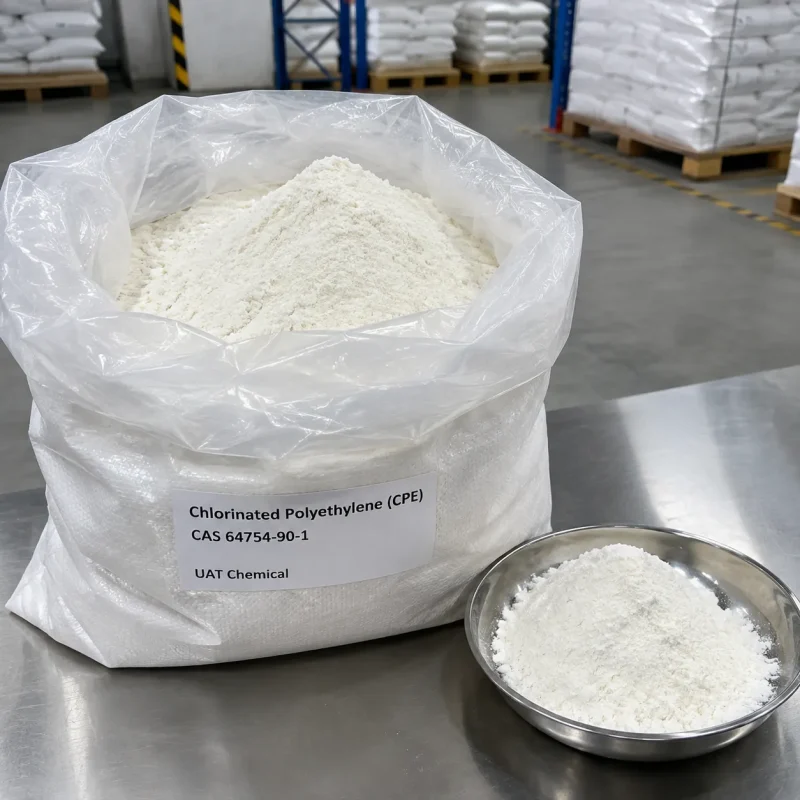
Chlorinated Polyethylene, or CPE (CAS 64754-90-1), is a white free-flowing powder made by chlorinating polyethylene. It is best known as the workhorse impact modifier for rigid PVC, giving window profiles, pipes and fittings toughness at low temperature, and it also upgrades rubber compounds and cable sheathing with weather and oil resistance. We stock the standard 135A grade and can supply 135B and other chlorine grades. Tell us the application and target chlorine content, and we will match the grade.
- CAS: 64754-90-1
- EC Number: 265-050-7
- Synonyms: CPE; chlorinated PE; polyethylene, chlorinated
- Polymer Type: Chlorinated polyethylene elastomer/thermoplastic
- Appearance: White fine powder
- Chlorine Content: 25 – 45% (grade-dependent); 35% typical for 135A
- Volatile Matter: ≤ 0.5%
- Main Uses: PVC impact modifier, rubber processing aid, cable sheath
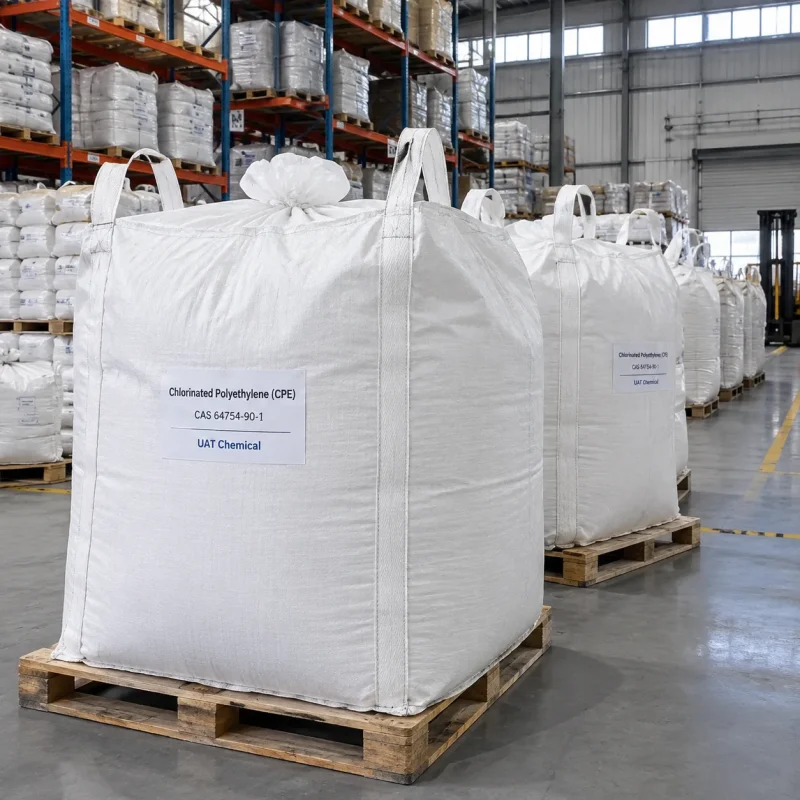
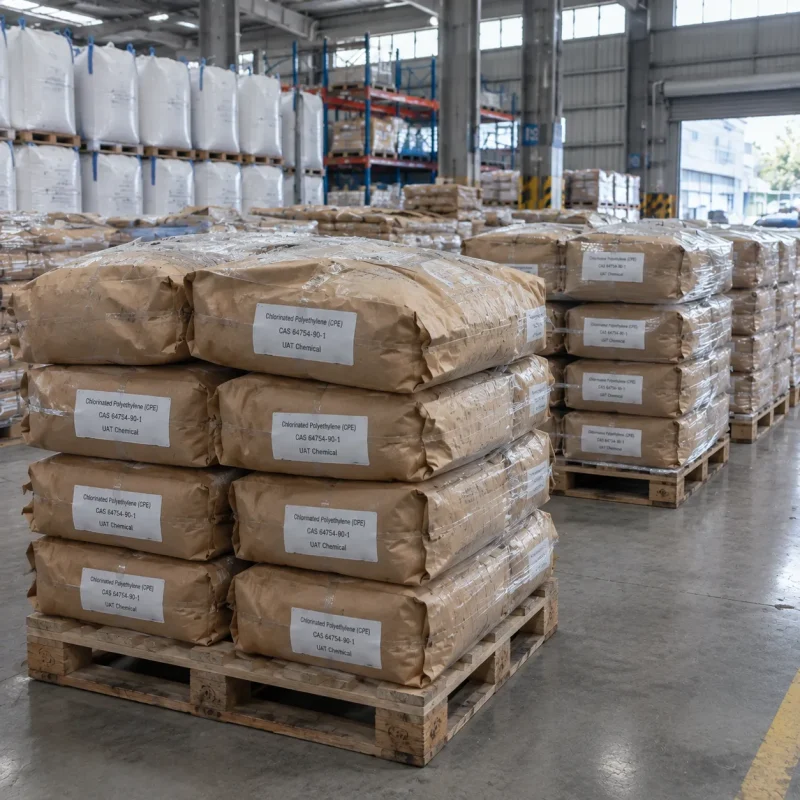
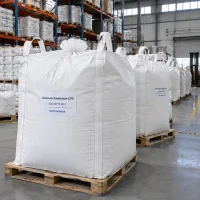
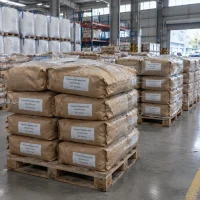
- Packaging: 25 kg kraft paper-plastic bag; 1000 kg bulk bag, custom packing available
What CPE Is
CPE is polyethylene that has been chemically chlorinated, turning a rigid plastic into a flexible, rubber-like white powder. It is not a rubber that cures; it is a modifier that melts and blends into the base polymer during processing. That is exactly why CPE is useful: a small addition improves impact strength, flexibility and weatherability without changing the process already in use.
Choosing the Chlorine Grade
Chlorine content is the dial that sets CPE behaviour. Around 25 to 30% chlorine gives soft, low-temperature flexibility for impact-modified PVC. The standard 35% grade, sold as CPE 135A, is the general-purpose workhorse used in PVC profiles, pipes and fittings and in rubber blends. At 40% and above, CPE turns oil-resistant and flame-retardant, which is what cable jackets ask for. If you are between grades, tell us the finished part and the property you are short on, and we will suggest the chlorine level rather than sell you the dearest one.
Where It Is Used
- PVC building products. The biggest market: window profiles, pipes, drainage fittings, siding and sheets get low-temperature impact strength and outdoor weatherability that MBS modifiers cannot match.
- Rubber compounding. Partially replaces more expensive chloroprene and nitrile rubber in hoses, belts, sealing strips and rollers, improving ozone and chemical resistance while cutting cost.
- Wire and cable. Higher-chlorine grades go into cable jackets for building wire, mining cable and outdoor power cable, adding oil resistance and flame retardancy.
- Membranes and specialties. Waterproof membranes, automotive weather strips, colour masterbatch carriers and flame-retardant blends.
Standard Grade Specifications (CPE 135A)
| Test Item | Standard Value |
|---|---|
| Chlorine Content | 34 – 36% |
| Residual Crystallinity | ≤ 2% |
| Volatile Matter | ≤ 0.5% |
| Shore A Hardness | 58 – 66 |
| Tensile Strength | ≥ 8.0 MPa |
| Elongation at Break | ≥ 700% |
Packaging, Storage and Ordering
- Packed in 25 kg kraft paper-plastic composite bags and 1000 kg bulk bags; keep sealed below 30 °C, away from sun, heat and flame, and do not leave the powder open to humid air or it cakes.
- Non-hazardous for normal ocean and land transport. Powder dust can irritate the airways, so wear a mask and goggles when emptying bags.
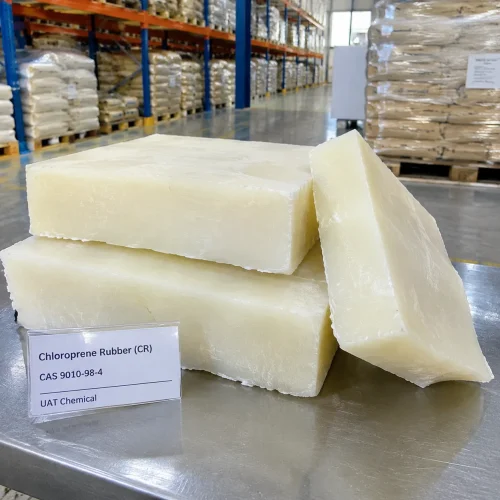
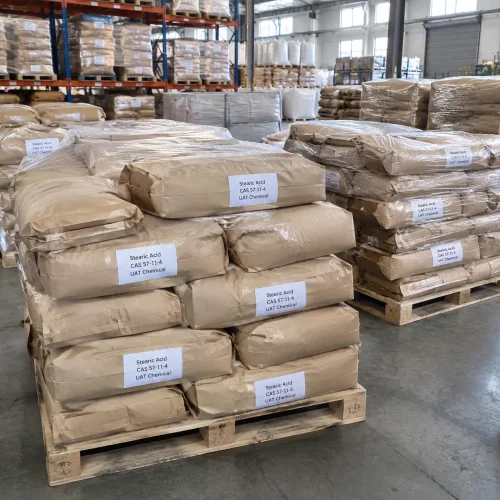
- COA, TDS and SDS come with every order, samples are available, and quotes go out within one working day. It blends with Chloroprene Rubber CAS 9010-98-4 in rubber recipes and processes with Stearic Acid CAS 57-11-4 as a common lubricant.
FAQ
Q: Which chlorine grade should I order?
A: 25-30% for flexible impact PVC; 35% (135A) general; 40%+ for oil and flame cable work.
Q: CPE or MBS for PVC?
A: MBS is clearer indoors; CPE wins outdoors with better weather resistance and lower cost.
Q: Is CPE a curing rubber?
A: A white powder that melts and blends into PVC and rubber, not a rubber that cures.
Related products
Ready to Source? Talk to Our Engineers
Industrial Chemical Raw Materials, Factory-Direct — Quote Within 1 Hour
Stable high-purity supply, flexible packaging and complete compliance documentation for your formulations — exporting worldwide since 2006.
- 1000+Products
- 200+QC Protocols
- 7–15Days Delivery
- Factory-Direct Pricing
- COA / TDS / SDS Included
- Free Samples for Testing
- ISO 9001 Certified