
Cyanuric Acid CAS 108-80-5
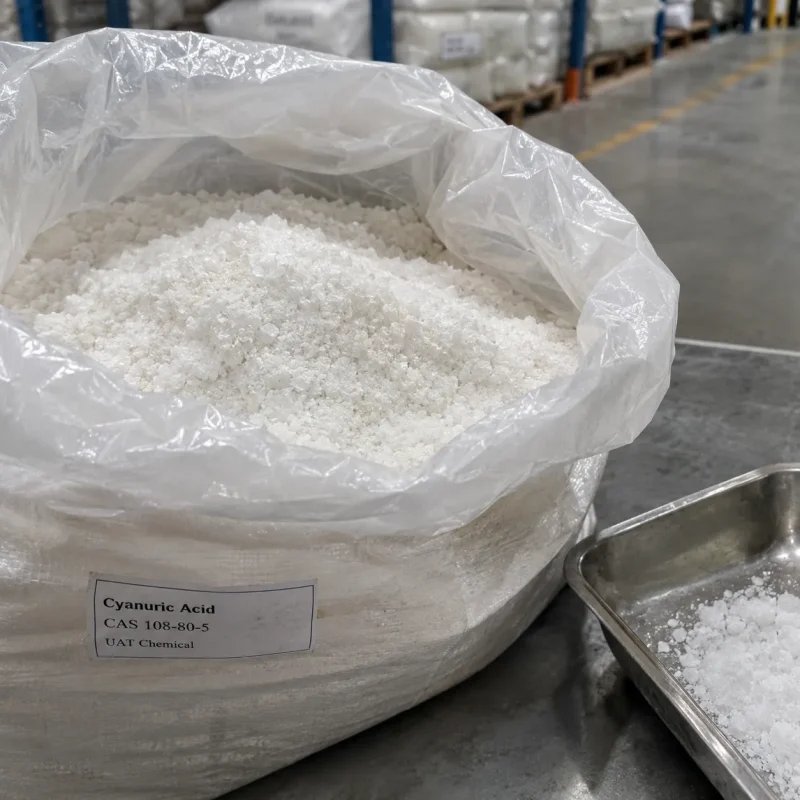
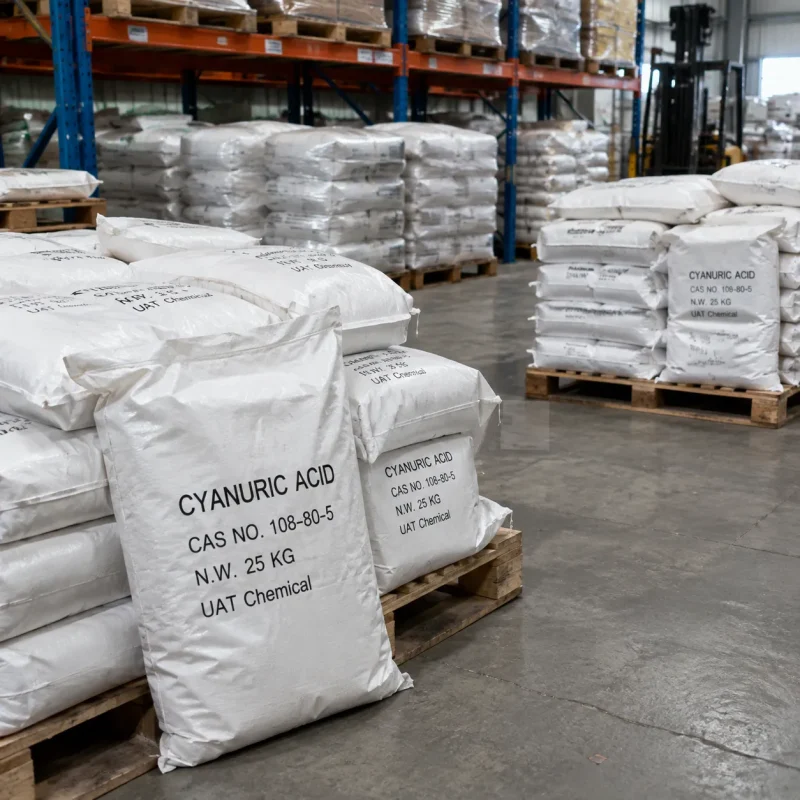
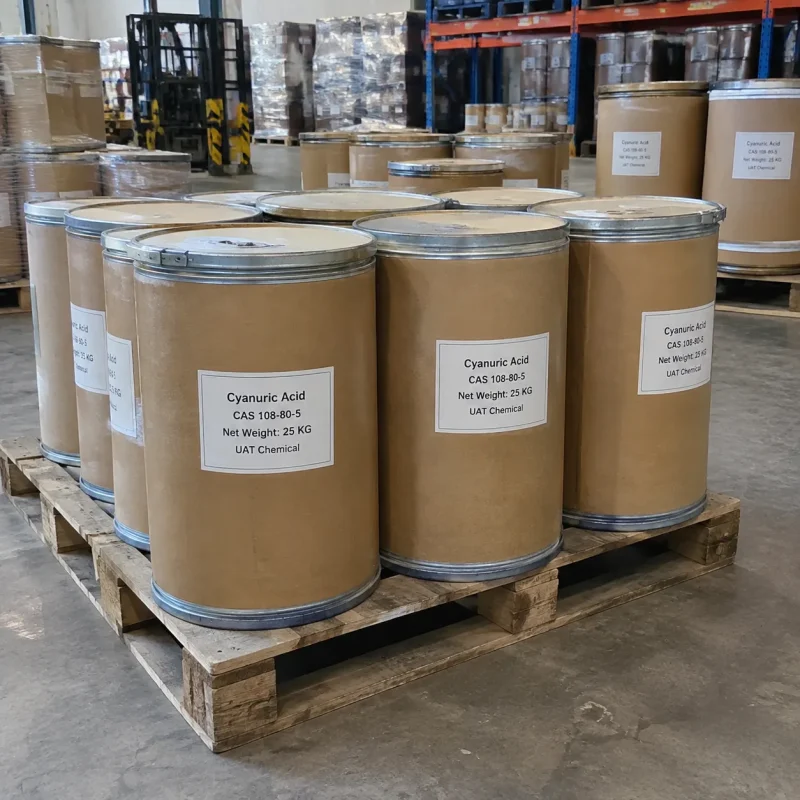
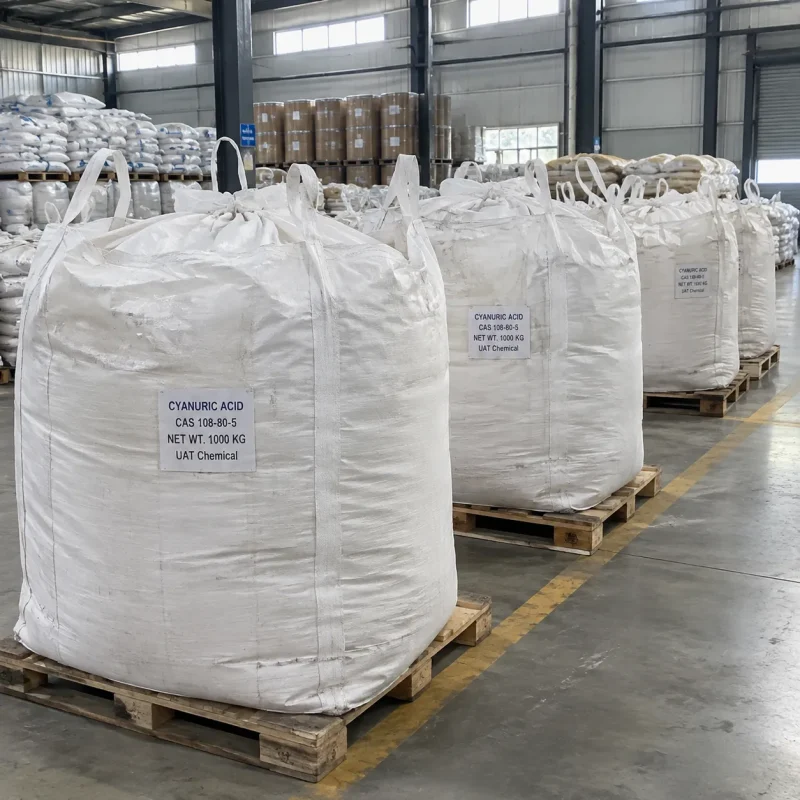
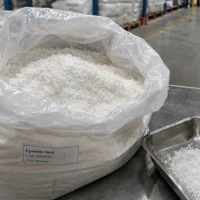
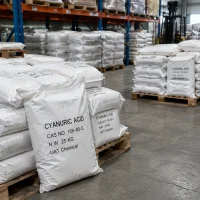
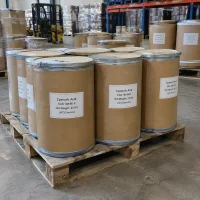
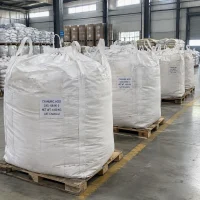
Cyanuric Acid (CYA, CAS 108-80-5) is a white crystalline powder best known as the stabilizer that shields free chlorine from UV loss in outdoor pools. It is also the primary feedstock for TCCA and SDIC disinfectants, a core intermediate in melamine-cyanurate flame retardants, and a crosslinking agent in coatings and adhesives. We pack it in 25 kg PE-lined kraft bags, fibre drums or 1000 kg jumbo bags, and every lot’s COA lists residual urea and heavy metals — the two numbers TCCA and SDIC producers check first.
- CAS: 108-80-5
- EINECS: 203-618-0
- Synonyms: 1,3,5-Triazine-2,4,6-trione; Isocyanuric acid; s-Triazinetriol
- Molecular Formula: C3H3N3O3
- Molecular Weight: 129.07
- Appearance: White crystalline powder or granules
- Assay (Dry Basis): 98.5% min
- Residual Urea: 0.5% max
- Melting Point: > 300 °C (sublimes)
- pH (1% Aqueous Slurry): 4.0 – 6.0
- Packaging: 25 kg PE-lined kraft bag / fibre drum; 1000 kg jumbo bag
Product Description
Cyanuric acid is a symmetric triazine ring, thermally rugged and sublimates above 300 °C without decomposing, and reactive enough to feed many downstream chemistry routes. What separates industrial grades is not the ring but what is left in it: urea carries through from the thermal polymerization step and competes in downstream chlorination, which is why residual urea at 0.5% max and heavy metals at 10 ppm max are the numbers a TCCA or SDIC producer reads first. UATChem holds both on the COA for every lot.
End-Use Application Profiles
- Water treatment and disinfection. Primary feedstock for trichloroisocyanuric acid (TCCA) and sodium dichloroisocyanurate (SDIC), the slow-release chlorine sources used in drinking-water disinfection, pool sanitation and food-plant sanitizing; dosed directly into outdoor pools, it stabilizes free chlorine against UV loss and stretches sanitizer life.
- Flame retardant and polymer additives. Core intermediate for melamine-cyanurate flame retardants used in polyamide, polyester and epoxy systems, see Melamine Cyanurate (MCA) CAS 37640-57-6; also a thermal stabilizer and crosslinking modifier in acrylic latex and radiation-cured coatings.
- Surface coatings and adhesives. Crosslinking agent for epoxy and polyester resins in powder coatings, electrophoretic paints and structural adhesives, improving hardness, chemical resistance and weatherability at lower cure temperatures.
- Specialty chemical synthesis. Building block for herbicide intermediates, optical brighteners, dye modifiers and pharmaceutical raw materials, where the triazine ring contributes UV stability downstream.
Industrial Production and Quality Control
Commercial cyanuric acid is made by high-temperature thermal polymerization of urea, then dissolved in hot water, decolorized with activated carbon, filtered and recrystallized to strip residual urea, biuret and melamine by-products, and vacuum-dried. Quality control centers on residual urea, heavy metals and loss on drying, the three parameters that govern chlorination yield, disinfectant potency and compatibility in polymer systems.
Industrial Grade Specifications
| Test Parameter | Standard Limit |
|---|---|
| Assay (Dry Basis) | 98.5% min |
| Residual Urea | 0.5% max |
| Loss on Drying | 0.5% max |
| Ash Content | 0.1% max |
| Heavy Metals (as Pb) | 10 ppm max |
| Arsenic | 2 ppm max |
| pH (1% Aqueous Slurry) | 4.0 – 6.0 |
Storage, Handling and Safety Guidelines
- Store in original sealed PE-lined packaging in a cool, dry, ventilated warehouse, away from strong oxidizers, mineral acids and direct moisture.
- Wear goggles, dust respirator and chemical-resistant gloves when handling bulk powder; airborne dust mechanically irritates eyes, skin and respiratory tract.
- Packaging: 25 kg PE-lined kraft bags or fibre drums, 1000 kg jumbo bags; custom pack sizes on request; private labelling available.
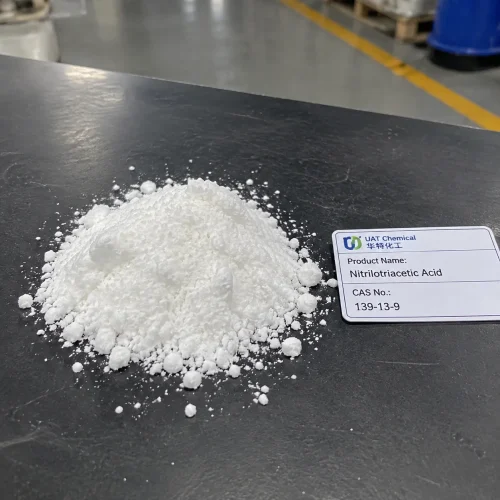
- Stable at least 24 months under proper storage; non-hazardous for transport. COA, TDS and SDS with every order; samples available; quotes within one working day. Companion water-treatment lines: Nitrilotriacetic Acid CAS 139-13-9 and Hydroxyphosphonoacetic Acid (HPAA) CAS 23783-26-8.
FAQ
Q: What role does cyanuric acid play in water treatment?
A: It is the feedstock for TCCA/SDIC disinfectants and protects pool chlorine from UV loss.
Q: What quality parameters matter for industrial cyanuric acid?
A: Residual urea, heavy metals and moisture; they set chlorination yield and stability.
Q: Can cyanuric acid be dosed directly into swimming pools?
A: Yes. Added directly as a stabilizer, it cuts UV chlorine loss and sanitizer consumption.
Q: What cyanuric acid level should a pool hold?
A: 30-50 ppm is the working range, tested weekly and topped up as needed.
Q: What packaging is available?
A: 25 kg PE-lined kraft bags or fibre drums; 1000 kg jumbo bags for bulk.
Related products
Ready to Source? Talk to Our Engineers
Industrial Chemical Raw Materials, Factory-Direct — Quote Within 1 Hour
Stable high-purity supply, flexible packaging and complete compliance documentation for your formulations — exporting worldwide since 2006.
- 1000+Products
- 200+QC Protocols
- 7–15Days Delivery
- Factory-Direct Pricing
- COA / TDS / SDS Included
- Free Samples for Testing
- ISO 9001 Certified