
Hydroxyphosphonoacetic Acid (HPAA) CAS 23783-26-8
Hydroxyphosphonoacetic Acid (HPAA, CAS 23783-26-8) is a 50% aqueous solution that handles scale and corrosion in one dose. It belongs to the phosphonate family but carries an extra carboxylic group, which lets it grab calcium, barium and strontium ions before they can crystallize — scale stays loose and flushes out instead of bonding to tube walls. UATChem supplies HPAA at 50.0% min active content in 25 kg and 200 kg plastic drums and 1000 L IBC totes, with COA, TDS and SDS on every order.
- CAS: 23783-26-8
- EINECS: 405-710-8
- Synonyms: 2-Hydroxy-2-phosphonoacetic acid; Phosphonoglycolic acid; HPAA; α-Hydroxyphosphonoacetic acid
- Molecular Formula: C2H5O6P
- Molecular Weight: 156.03
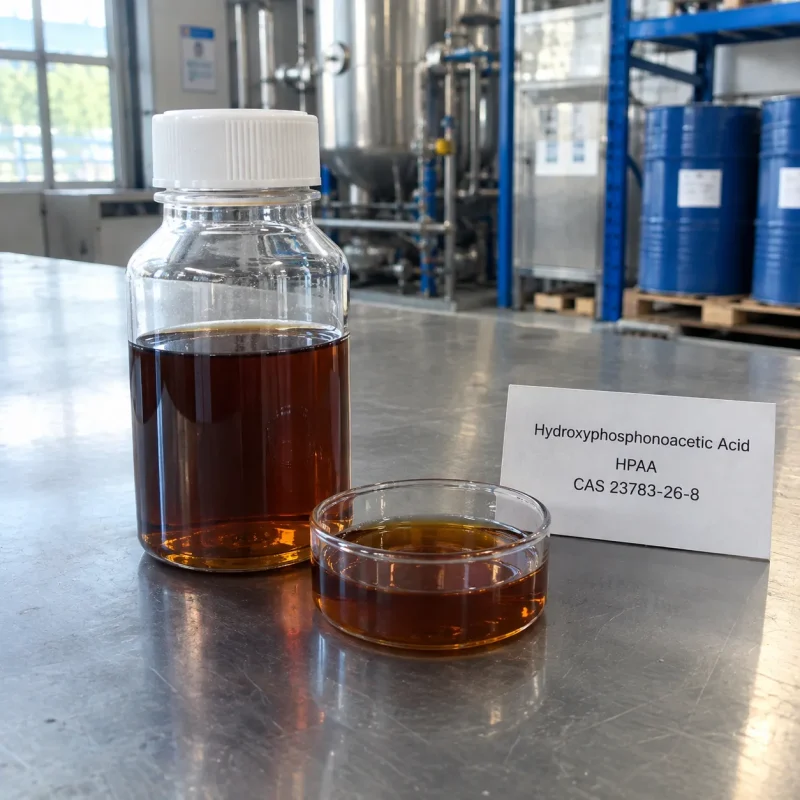
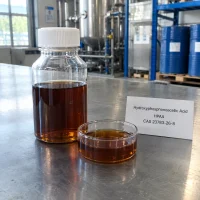
- Appearance: Colorless to pale-yellow clear liquid
- Active Content: 50.0% min
- Total Phosphorus: 9.5% min
- Density at 20 °C: 1.28 – 1.32 g/cm³
- pH (1% Solution): 1.5 – 2.5
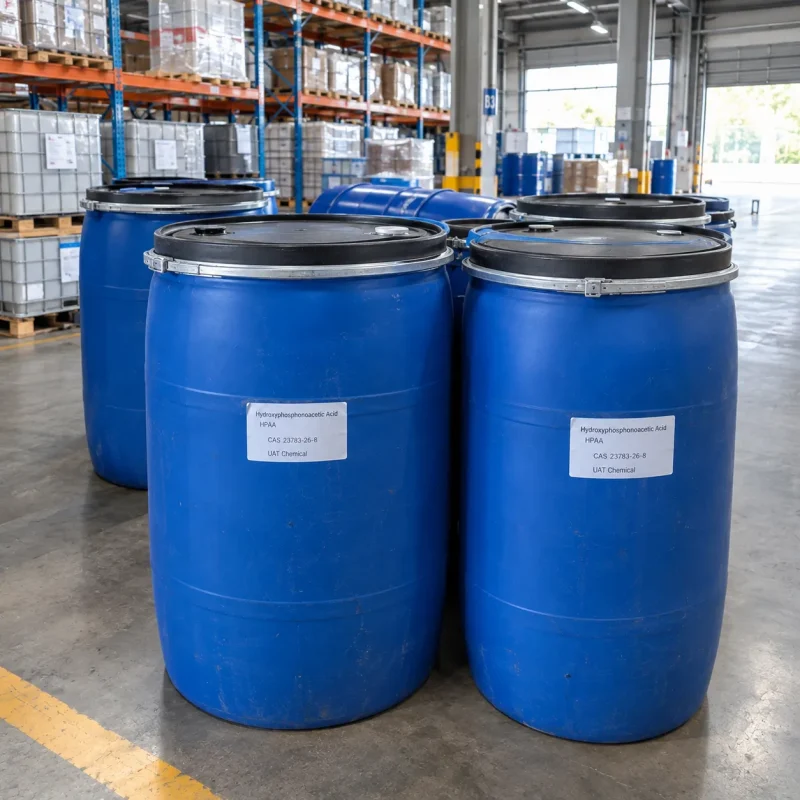
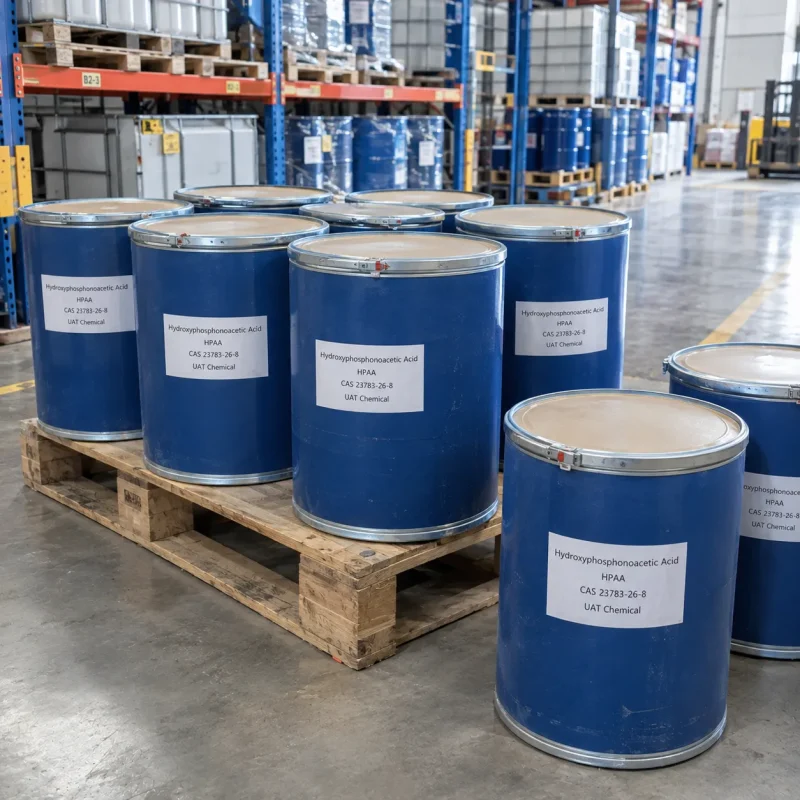
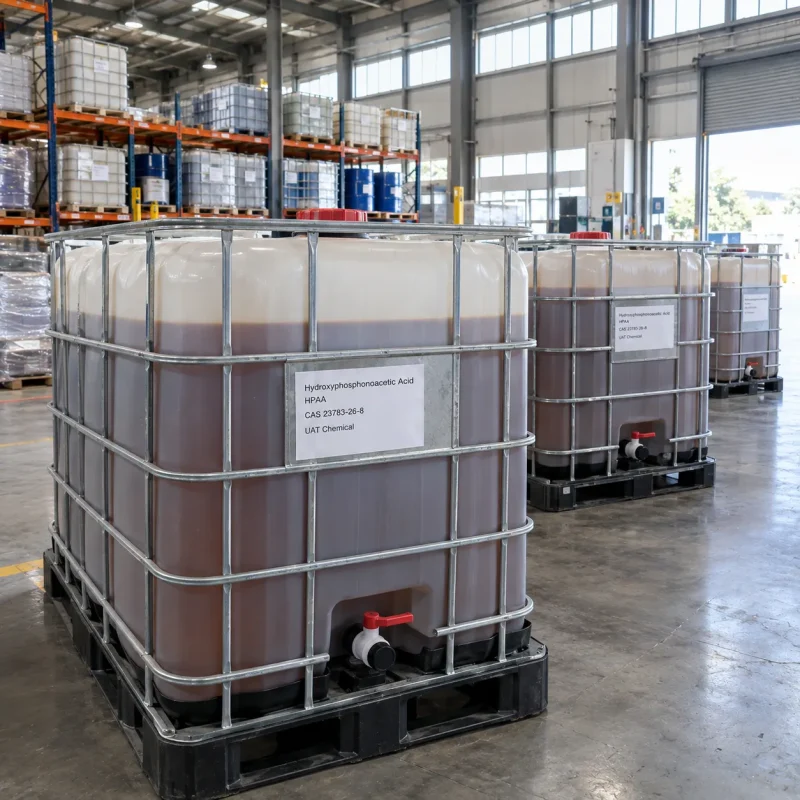
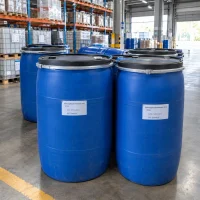
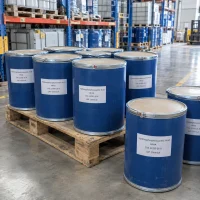
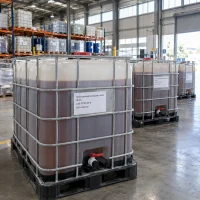
- Packaging: 25 / 200 kg plastic drum; 1000 L IBC tote
What Is Hydroxyphosphonoacetic Acid (HPAA)?
HPAA belongs to the phosphonate family but carries an extra carboxylic acid group, and that small difference changes how it behaves in water. The combined phosphonic and carboxyl sites hold calcium, barium and strontium ions before they can crystallize, so scale forms as loose microcrystals that flush out of the system instead of bonding to tube walls. The same molecule also passivates mild anodic sites on carbon steel, giving a corrosion-control effect that pure threshold inhibitors do not offer. It is fully water-soluble, tolerates high alkalinity and hardness, and is supplied as a ready-to-dose 50% solution.
Field Applications and Dosage by Water System
- Recirculating cooling water systems. Dosed at 10-30 ppm into open and closed loops to control calcium carbonate and calcium sulfate scale on heat-exchanger tubes, with mild corrosion reduction; performs well at high cycles of concentration.
- RO, nanofiltration and ultrafiltration trains. Used at 2-6 ppm as an antiscalant for drinking water, brackish water and industrial reuse. It controls carbonate, sulfate and barium scale on the concentrate side, extends cleaning intervals and preserves flux.
- Oilfield produced water and injection wells. Applied at 5-15 ppm to stop barium and strontium sulfate deposition in downhole tubing and surface pipelines; stays effective in high-salinity brines at reservoir temperature and reduces workover frequency.
- Low- to medium-pressure boiler systems. Added at 5-20 ppm to feedwater to suppress tube-wall scale and under-deposit corrosion, complementing oxygen scavengers and alkalinity builders.
Specifications
| Test Item | Standard Limit |
|---|---|
| Active HPAA Content | 50.0% min |
| Total Phosphorus | 9.5% min |
| Phosphite (as PO3³⁻) | 0.5% max |
| Orthophosphate (as PO4³⁻) | 0.2% max |
| Chloride (as Cl⁻) | 0.5% max |
| Density at 20 °C | 1.28 – 1.32 g/cm³ |
| pH (1% Aqueous Solution) | 1.5 – 2.5 |
| Iron (as Fe) | 10 ppm max |
Storage, Handling and Packaging
- Store sealed in cool, dry, ventilated conditions away from strong bases and oxidizing agents; inspect drums for leakage on arrival and reseal after sampling.
- Wear acid-resistant gloves and goggles when handling. The 50% solution is strongly acidic and irritates skin and eyes on contact.
- Packaging: 25 kg and 200 kg plastic drums, 1000 L IBC totes; custom pack sizes and private labelling on request.
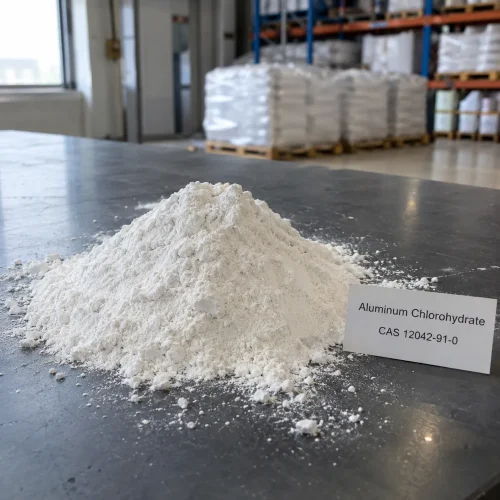
- COA, TDS and SDS with every order; samples available; quotes within one working day. Part of our water-treatment line alongside Aluminum Chlorohydrate (ACH) CAS 12042-91-0 and Nitrilotriacetic Acid CAS 139-13-9.
FAQ
Q: When should I choose HPAA over HEDP for cooling water service?
A: Choose it for combined scale and corrosion control, or when phosphorus limits are tight.
Q: What dosage range is typical for HPAA in RO membrane systems?
A: 2-6 ppm by feedwater hardness and recovery; higher for high-barium feed at 75%+ recovery.
Q: Will HPAA work for barium sulfate scale in oilfield brines?
A: Yes. It stays active in high-salinity brine at reservoir temperature, cutting workover frequency.
Q: What form and packaging are supplied?
A: 50% aqueous solution in 25/200 kg plastic drums or 1000 L IBC totes, custom on request.
Q: How should HPAA be stored?
A: Sealed, cool and dry, away from bases and oxidizers; check drums for leakage on arrival.
Related products
Ready to Source? Talk to Our Engineers
Industrial Chemical Raw Materials, Factory-Direct — Quote Within 1 Hour
Stable high-purity supply, flexible packaging and complete compliance documentation for your formulations — exporting worldwide since 2006.
- 1000+Products
- 200+QC Protocols
- 7–15Days Delivery
- Factory-Direct Pricing
- COA / TDS / SDS Included
- Free Samples for Testing
- ISO 9001 Certified