
Polyethylene Polyamine CAS 68131-73-7
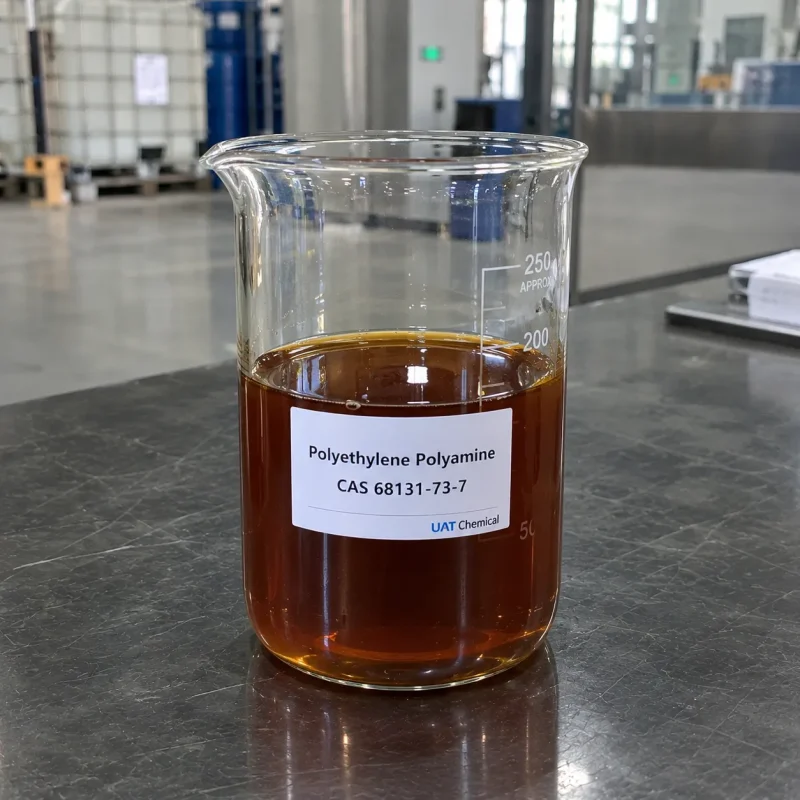
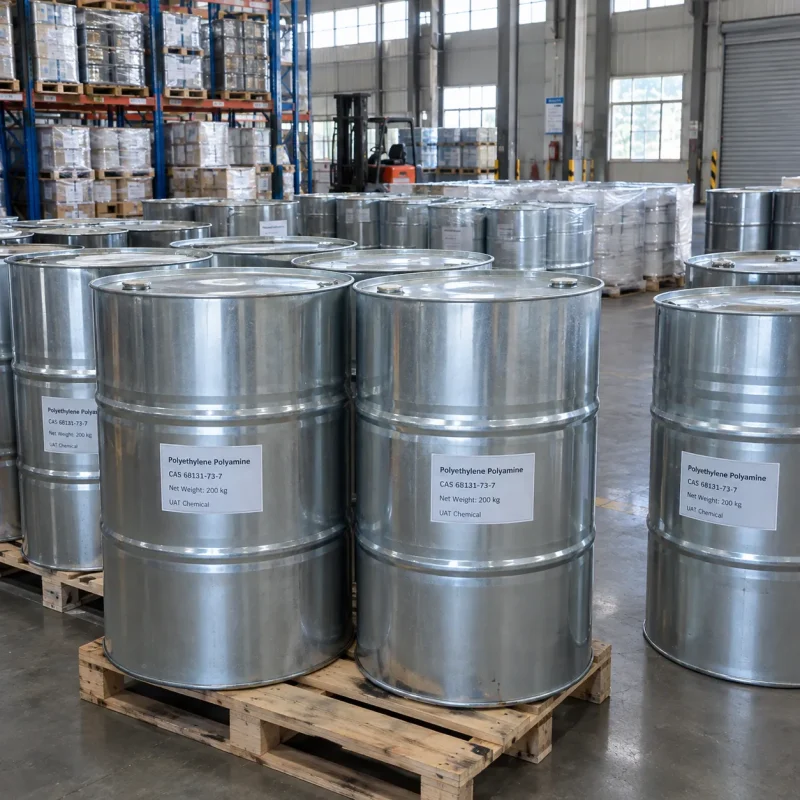
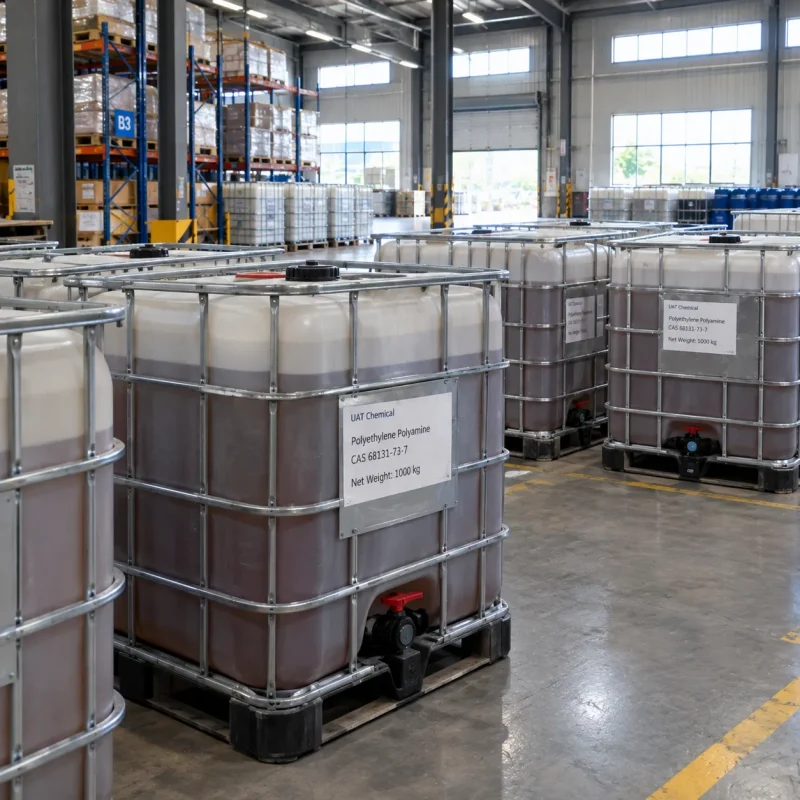
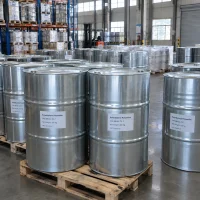
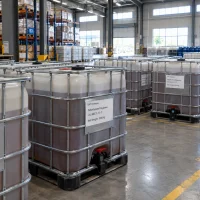
Polyethylene Polyamine (PEPA, CAS 68131-73-7) is not one single molecule but a commercial mixture of higher ethyleneamines built around DETA, TETA, TEPA and PEHA, supplied as an amber to reddish-brown viscous liquid with an ammonia odor. The many reactive amine groups make it a workhorse crosslinker for epoxy curing agents and polyamide resins, and it also feeds asphalt emulsifiers, lubricant dispersants and paper wet strength resins. Lots are specified by amine value, AHEW and distillation cut rather than a purity number, and PEPA is not interchangeable with DETA or TETA. UATChem supplies industrial PEPA in 200 kg drums and 1000 kg IBC tanks as a corrosive liquid; send the use, grade and quantity for a quote with COA and SDS.
- CAS: 68131-73-7
- EC Number: 268-626-9
- Synonyms: PEPA; polyethylenepolyamine; polyene polyamine
- Composition: Mixture of DETA, TETA, TEPA, PEHA and higher ethyleneamines
- Appearance: Amber to reddish-brown viscous liquid
- Density: About 1.00 – 1.08 g/cm³ at 20 °C
- pH: 12 – 13 in water, strongly basic
- Solubility: Miscible with water and alcohols; hygroscopic
- Grading: By amine value, AHEW and distillation cut (COA)
- Use: Epoxy hardeners, polyamide resins, asphalt emulsifiers, wet strength
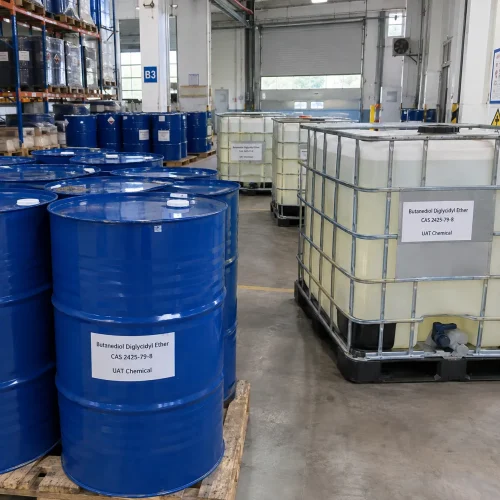
- Packaging: 200 kg steel drum; 1000 kg IBC, custom packing available
What Polyethylene Polyamine Is
Polyethylene polyamine is the higher-boiling fraction from ethyleneamine production, a mixture of linear and partly branched polyamines running from DETA and TETA through TEPA, PEHA and heavier homologues, so it carries no single molecular formula or molecular weight. It is an amber to reddish-brown, strongly basic and hygroscopic liquid that mixes with water and alcohols. Because every cut contains a different spread of oligomers, buyers order by CAS number together with amine value, active hydrogen equivalent weight (AHEW), color and distillation range, and the material does not drop into a recipe written for pure DETA or TETA. UATChem supplies standard industrial cuts and can match a target amine value or AHEW to the end use.
Epoxy Curing, Polyamide and Other Uses
- Epoxy curing. A room and medium temperature amine hardener and a base for modified curing agents used in anti-corrosion coatings, flooring, adhesives, composites and electronic potting, giving dense crosslinking and good chemical resistance.
- Polyamide resins. Condensed with dimer acid to build polyamide curing agents and polyamide resins that add flexibility and adhesion to epoxy systems.
- Asphalt and lubricants. The amine feed for cationic asphalt emulsifiers and a raw material for ashless lubricant dispersants (PIBSI) and other petroleum additives.
- Paper and water treatment. A feed for paper wet strength resins such as PAE (Polyamide Epichlorohydrin) CAS 68583-79-9, and for corrosion inhibitors, biocidal blends, ion exchange resins, chelating and demulsifying aids.
Typical Specifications
PEPA is a mixture with no single assay, so each lot is released on amine value, AHEW, water content, color and distillation range, reported on the COA; the physical constants below describe a typical industrial cut.
| Parameter | Typical Value |
|---|---|
| Appearance | Amber to reddish-brown viscous liquid |
| Composition | DETA, TETA, TEPA, PEHA and higher ethyleneamines |
| Density | About 1.00 – 1.08 g/cm³ at 20 °C |
| pH | 12 – 13 in water, strongly basic |
| Grading | Amine value, AHEW, color and distillation cut per COA |
Packaging, Documents and Ordering
- Delivered as a liquid in 200 kg steel or plastic drums and 1000 kg IBC tanks, with tank truck or ISO tank loads for volume; drums stay sealed, cool and dry because the amine absorbs moisture and carbon dioxide.
- PEPA is a corrosive Class 8 liquid (UN 2735) that causes severe skin and eye burns, may sensitize skin and is very toxic to aquatic life, so chemical-resistant gloves, face and eye protection and spill containment are required and release to drains is prevented. Every lot carries a COA with amine value, AHEW, water, color and distillation range, together with SDS, and samples are supported.
- For a quote, UATChem needs the intended use, target amine value or AHEW (or reference grade), quantity, packing and destination port.
FAQ
Q: Is polyethylene polyamine a single chemical or a mixture?
A: It is a mixture of higher ethyleneamines (DETA, TETA, TEPA, PEHA) with no single formula, ordered by amine value and AHEW.
Q: What is polyethylene polyamine used for?
A: It crosslinks epoxy hardeners and polyamide resins and feeds asphalt emulsifiers and lubricant and wet strength additives.
Q: How is polyethylene polyamine packed and what is its hazard class?
A: It is a corrosive Class 8 liquid (UN 2735) in 200 kg drums or 1000 kg IBC tanks, sealed against moisture, with COA and SDS.
Related products
Ready to Source? Talk to Our Engineers
Industrial Chemical Raw Materials, Factory-Direct — Quote Within 1 Hour
Stable high-purity supply, flexible packaging and complete compliance documentation for your formulations — exporting worldwide since 2006.
- 1000+Products
- 200+QC Protocols
- 7–15Days Delivery
- Factory-Direct Pricing
- COA / TDS / SDS Included
- Free Samples for Testing
- ISO 9001 Certified