
Nitrilotriacetic Acid CAS 139-13-9
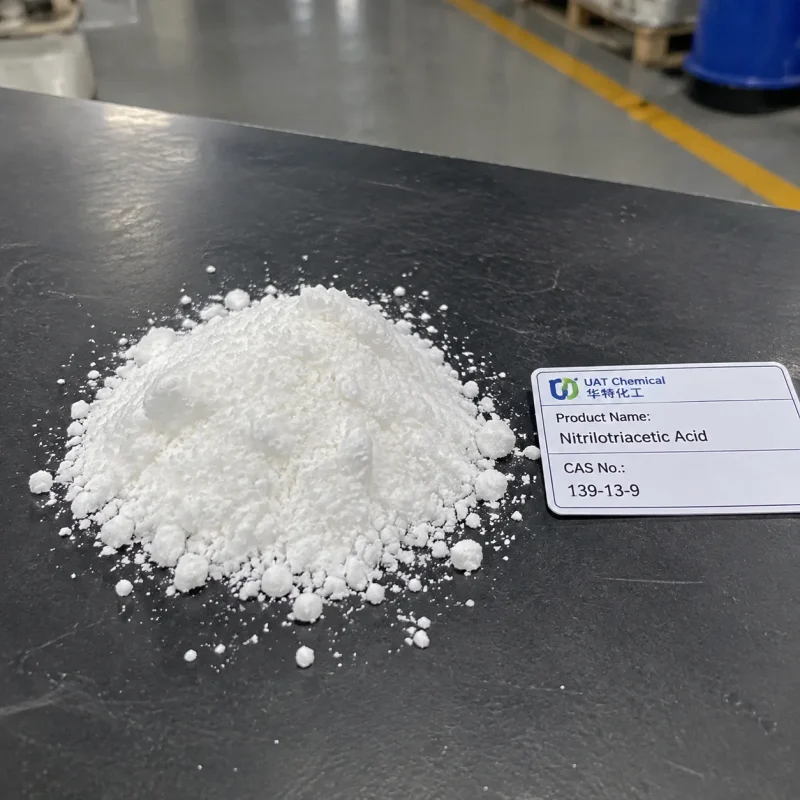
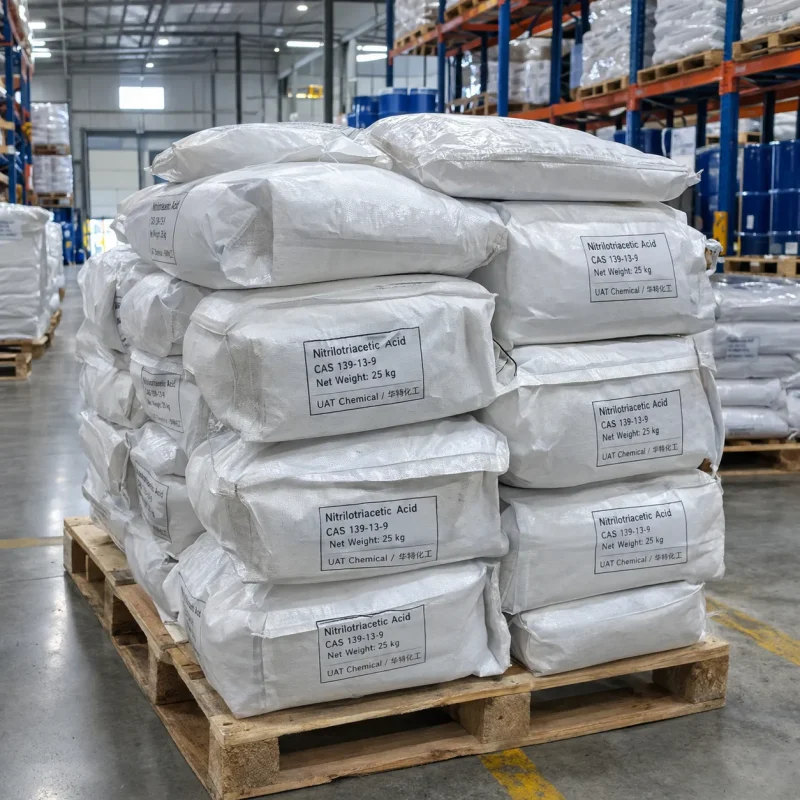
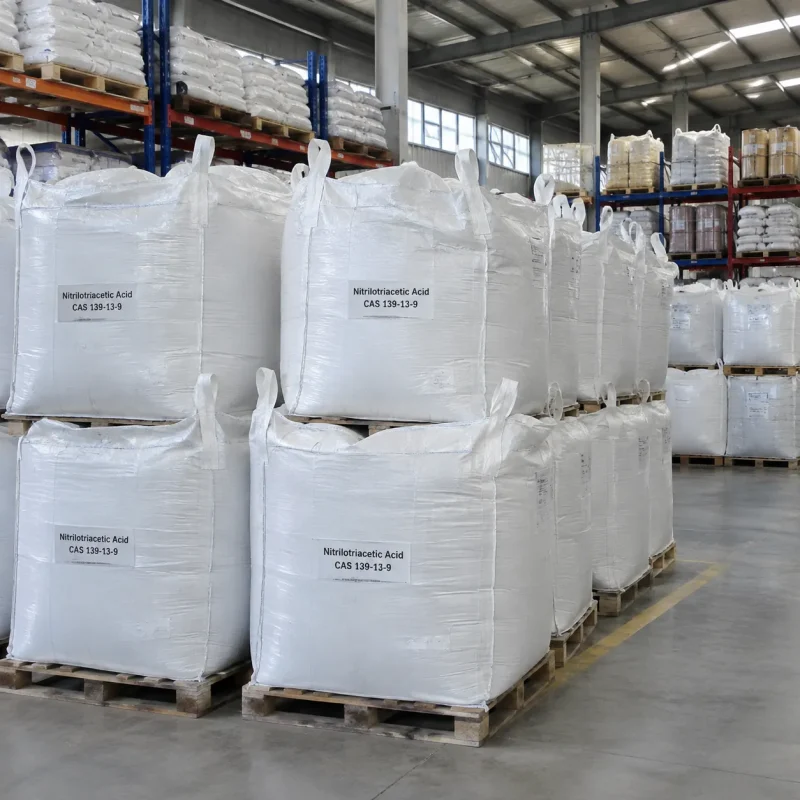
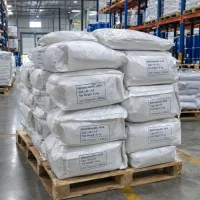
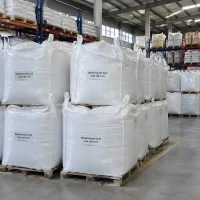
Nitrilotriacetic Acid (NTA, CAS 139-13-9) is a white crystalline powder used across industry as a chelating agent — it binds calcium, magnesium and transition-metal ions in water so they cannot scale out or interfere with a process. It does most of what EDTA does at lower cost and breaks down partially in aerobic wastewater treatment, which is why cooling loops, plating baths, textile lines and CIP cleaners run it daily. We ship 99.0% free acid in 25 kg PE-lined bags or 500 kg jumbo bags, with chelating value and residual IDA on every COA.
- CAS: 139-13-9
- EINECS: 205-355-7
- Synonyms: NTA free acid; N,N-Bis(carboxymethyl)glycine; Triglycine; Tri(carboxymethyl)amine
- Molecular Formula: C6H9NO6
- Molecular Weight: 191.14
- Appearance: White crystalline powder
- Free Acid Assay: 99.0% min
- Chelating Value (as CaCO3): ≥ 480 mg/g
- Iminodiacetic Acid (IDA): 1.0% max
- pH (1% Slurry): 2.0 – 2.5
- Packaging: 25 kg PE-lined kraft bag / 500 kg jumbo bag
What Is NTA?
NTA is a tricarboxylic chelating agent supplied as a free acid. Put it in water and it binds hardness and transition-metal ions into soluble complexes, so calcium and magnesium stop forming scale and iron, copper or lead stop interfering with a bath or a dye. Against EDTA it trades a little binding strength for a much lower price per kilo, faster dissolution and partial biodegradation in aerobic treatment, the right trade for most industrial jobs.
Where NTA Is Used
- Industrial water and boilers. Sequesters calcium and magnesium in cooling loops, boiler feed and RO pretreatment, suppresses carbonate and sulfate scale, and solubilizes ferric oxide red-water deposits; often blended with phosphonate inhibitors.
- Electroplating and metal finishing. Auxiliary complexant in alkaline zinc, acid copper and electroless nickel baths; masks trace iron, copper and lead that cause pitting, improves throwing power and supports cyanide-free formulations.
- Textile wet processing. Used in desizing, scouring, bleaching and dyeing; chelates iron before it can damage fiber or leave yellow spots, and stops hard water from precipitating anionic dyes.
- Industrial and CIP cleaning. Builder in heavy-duty detergents and clean-in-place formulas for food, beverage and pharma plants. It removes scale, prevents soil redeposition and cuts caustic demand.
- Detergents and formulations. A builder in phosphate-reduced laundry and dishwashing powders, replacing phosphates where discharge limits push buyers toward biodegradable options.
Specifications
| Test Parameter | Standard Limit |
|---|---|
| Free Acid Assay | 99.0% min |
| Chelating Value (as CaCO3) | ≥ 480 mg/g |
| Iminodiacetic Acid (IDA) | 1.0% max |
| Water Insoluble Matter | 0.05% max |
| Loss on Drying | 0.5% max |
| Heavy Metals (as Pb) | 10 ppm max |
| Arsenic | 2 ppm max |
| pH (1% Aqueous Slurry) | 2.0 – 2.5 |
Storage, Handling and Packaging
- Store unopened in PE-lined packaging at 5-30 °C in a cool, dry warehouse, separated from strong alkalis, hypochlorite oxidizers and moisture; chelating activity retained at least 24 months.
- Wear splash goggles, dust respirator and nitrile gloves during transfer; airborne dust irritates the respiratory tract, eyes and skin.
- Packaging: 25 kg PE-lined kraft bags, 500 kg jumbo bags; custom pack sizes and private labelling on request.
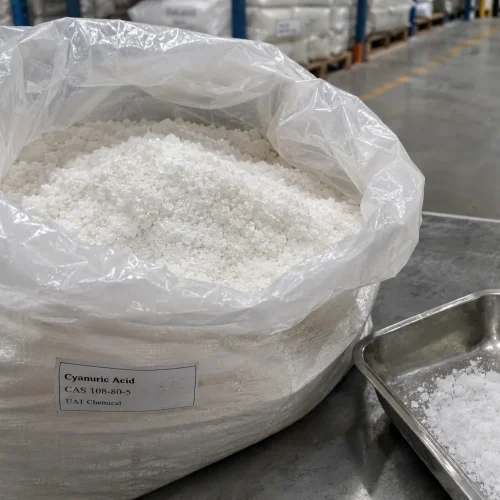
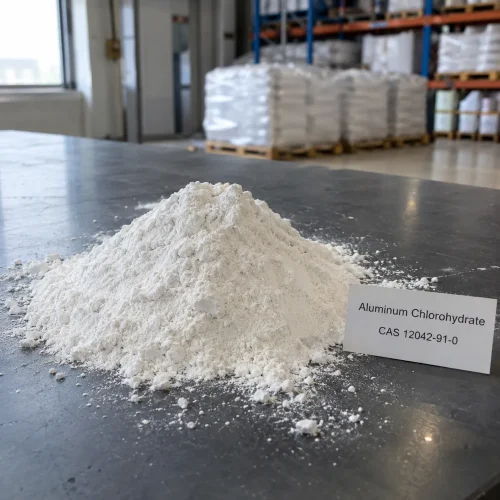
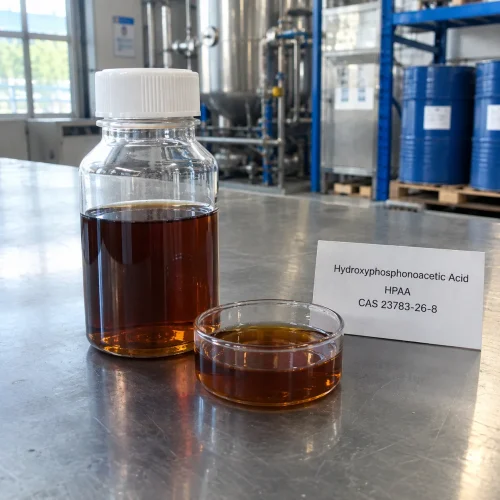
- Dispose of spent solutions per local effluent rules; NTA is partly biodegradable under aerobic treatment. COA, TDS and SDS with every order; samples available; quotes within one working day. Companion water-treatment lines: Hydroxyphosphonoacetic Acid (HPAA) CAS 23783-26-8, Cyanuric Acid CAS 108-80-5 and Aluminum Chlorohydrate (ACH) CAS 12042-91-0.
FAQ
Q: How do I choose between NTA and EDTA?
A: EDTA binds stronger but costs more and degrades slowly; NTA is cheaper and partly biodegradable.
Q: What quality parameters matter most?
A: Residual IDA at 1.0% max and chelating value of 480 mg/g or more on the COA.
Q: Can NTA be used in food-plant CIP cleaners?
A: Low-heavy-metal grades can, with a final rinse; verify local food-contact rules first.
Q: What does the 480 mg/g chelating value mean?
A: Each gram sequesters at least 480 mg CaCO3-equivalent hardness at working pH.
Q: What packaging is supplied?
A: 25 kg PE-lined kraft bags or 500 kg jumbo bags; custom packing on request.
Related products
Ready to Source? Talk to Our Engineers
Industrial Chemical Raw Materials, Factory-Direct — Quote Within 1 Hour
Stable high-purity supply, flexible packaging and complete compliance documentation for your formulations — exporting worldwide since 2006.
- 1000+Products
- 200+QC Protocols
- 7–15Days Delivery
- Factory-Direct Pricing
- COA / TDS / SDS Included
- Free Samples for Testing
- ISO 9001 Certified