
Glycine Powder CAS 56-40-6
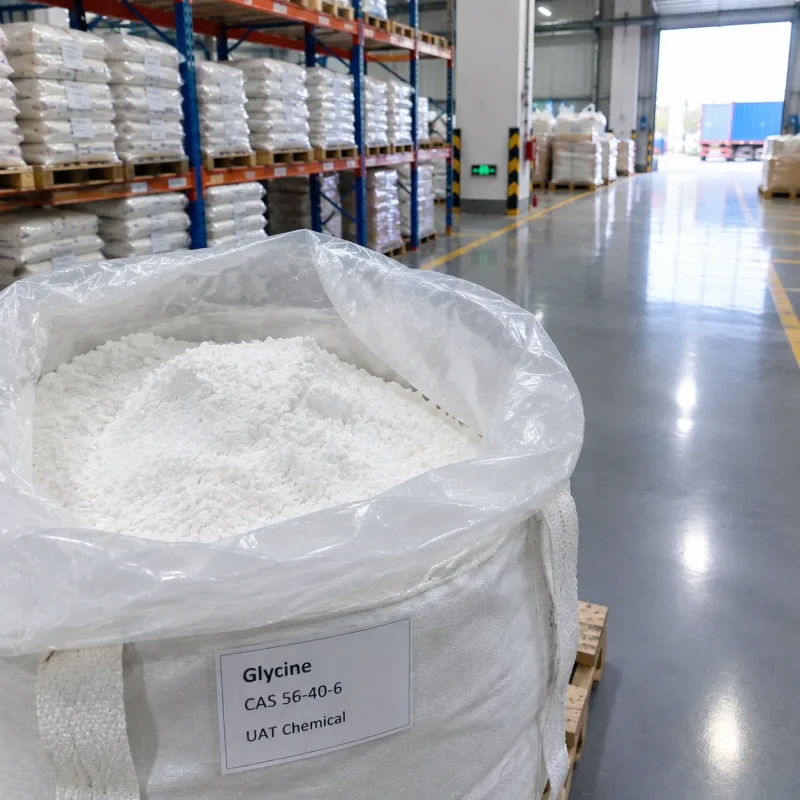
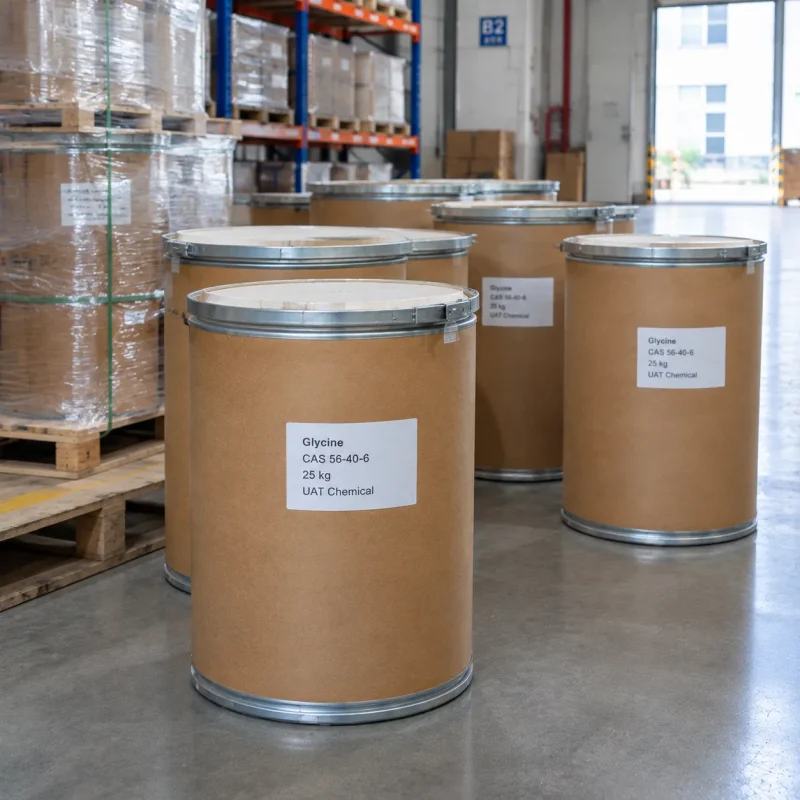
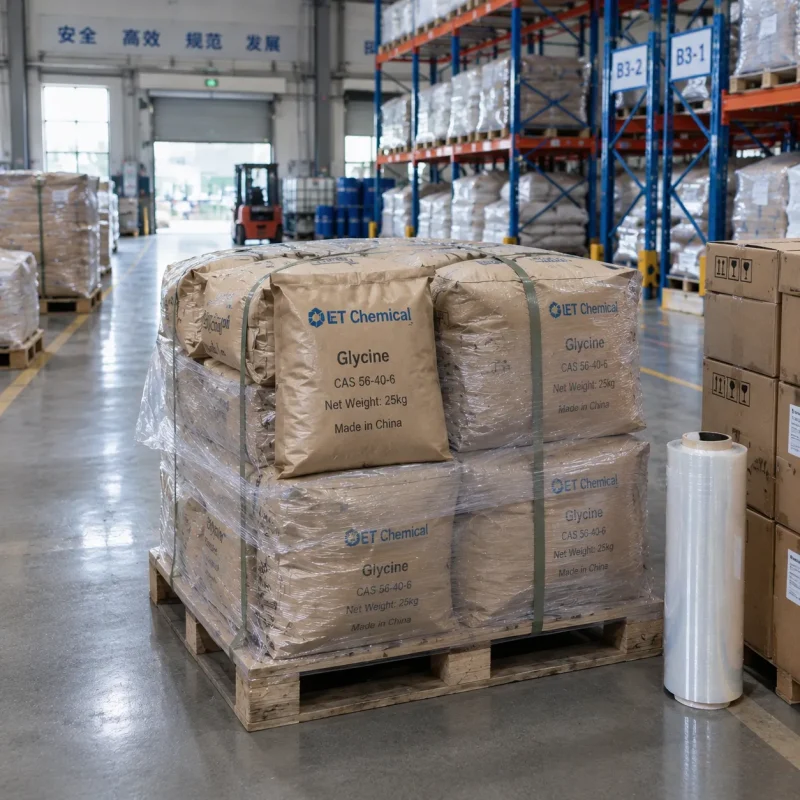
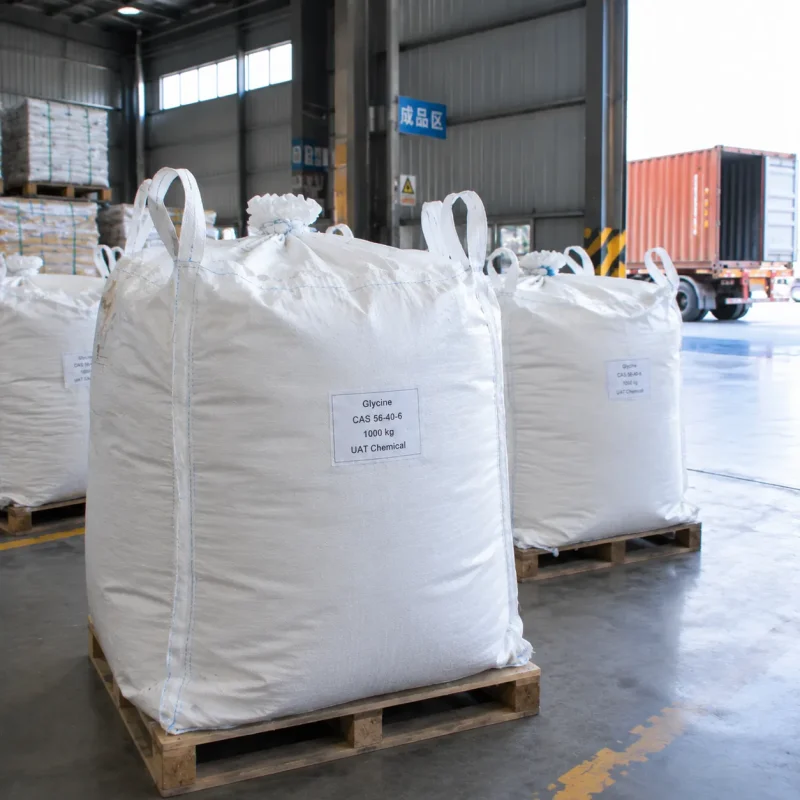
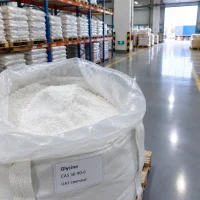
Glycine is the simplest of the twenty common amino acids and the only one with no left or right handed form, a white crystalline powder with a clean, sweet taste and ready solubility in water. It is a high-volume ingredient shipped in three distinct grades. Food and drink makers use it to round out flavor, soften alcohol and support shelf life, pharmaceutical customers buy compendial material for infusions and finished medicines, and industrial users take the largest quantities for metal treatment and agrochemical synthesis. UATChem supplies glycine powder in food, pharmaceutical and technical grades, in 25 kg bags and 1000 kg bulk bags, with the assay and test pack suited to each grade on the COA.
- CAS: 56-40-6
- EC Number: 200-272-2
- Synonyms: Aminoacetic acid; glycocoll; E640
- Molecular Formula: C₂H₅NO₂
- Molecular Weight: 75.07
- Appearance: White crystalline powder or granules, sweet taste
- Grades: Food (FCC/E640), pharmaceutical (USP/EP/JP), technical
- Solubility: Freely soluble in water; slightly soluble in ethanol
- Solution pH: about 5.5 to 7.0
- Function: Flavor and nutrient, buffer, chelating agent, intermediate
- Main use: Food, pharma and feed; metal treatment and agrochemicals
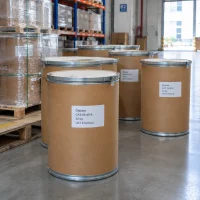
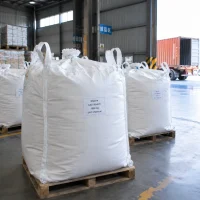
- Packaging: 25 kg bag; 1000 kg FIBC bulk bag
About Glycine
Glycine, also called aminoacetic acid, is the smallest of the common amino acids, with two hydrogen atoms on the alpha carbon that leave it with no L or D form. It dissolves freely in water to a mildly sweet, near neutral solution, and the name points to that sweet taste. The same small molecule wears several hats across industry: a flavor and shelf-life ingredient in food, a compendial excipient and nutrient in medicine, a palatability aid in feed, and a reactive intermediate and metal chelator in chemical work. Because those uses set very different quality bars, glycine is sold as separate food, pharmaceutical and technical grades rather than one universal material.
Grades and Where They Go
Food grade (FCC, E640). The sweet, clean taste works as a flavor modifier and mild sweetener in seasonings, processed meat, soft drinks and wine and spirits, where it softens bitterness and rounds the mouthfeel. It also buffers, chelates trace metals and helps hold back oxidation, and it fortifies protein drinks and sports nutrition as an amino acid nutrient.
Pharmaceutical grade (USP, EP, JP). This is the compendial, low-impurity material used in compound amino acid infusions and injections, antacid products, excipient and lyophilization roles, and as the nutrient in mineral glycinate chelates and finished supplement doses. Assay, identity and impurity limits follow the pharmacopoeia and appear on the COA.
Technical and feed grade. The largest tonnage goes into chemical synthesis, above all the herbicide glyphosate and other pesticide intermediates, alongside electroplating baths where glycine complexes metals for a brighter, more even plate. The same grade serves animal feed as a palatability and amino acid additive, plus detergents, personal care and laboratory buffers.
Typical Specifications
Typical profile; exact limits depend on the ordered grade and are printed on the COA.
| Parameter | Value |
|---|---|
| Appearance | White crystalline powder or granules |
| Assay | Meets FCC, USP/EP/JP or technical spec (per COA) |
| Identification | Positive to standard tests |
| Solubility | Freely soluble in water |
| Solution pH | About 5.5 to 7.0 |
| Heavy metals and microbial | Food and pharma limits tested, on COA |
| Additive status | E640 and GRAS for food use |
Packing and Storage
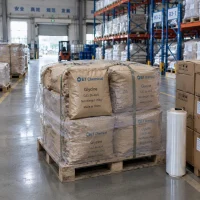
Glycine is a bulk item and leaves in 25 kg multilayer kraft or woven bags with a polyethylene liner, and in 500 kg or 1000 kg FIBC bulk bags for container orders; palletizing, neutral marks and private labels are arranged to order. Every consignment ships with a grade-matched COA, and food and pharmaceutical lots carry the supporting documents those customers require.
- Storage. Keep the bags sealed, cool and dry, and protect the powder from moisture and strong light.
- Handling. A non-hazardous, non-flammable solid for ordinary sea and road freight; keep dust down and store clear of strong acids and oxidizers.
Frequently Asked Questions
Q: Does glycine have L and D forms like other amino acids?
A: No. It is the only common amino acid without a chiral center, so there is no L or D form and no optical rotation to specify.
Q: Can one grade be used for food, medicine and industry?
A: No. Food and pharma need FCC or pharmacopoeia documents; technical grade is for synthesis and plating, so order by end use.
Q: How is bulk glycine packed and shipped?
A: It ships in 25 kg lined bags or 500 to 1000 kg FIBC bulk bags, palletized for export as a non-hazardous solid with a COA.
Related products
Ready to Source? Talk to Our Engineers
Industrial Chemical Raw Materials, Factory-Direct — Quote Within 1 Hour
Stable high-purity supply, flexible packaging and complete compliance documentation for your formulations — exporting worldwide since 2006.
- 1000+Products
- 200+QC Protocols
- 7–15Days Delivery
- Factory-Direct Pricing
- COA / TDS / SDS Included
- Free Samples for Testing
- ISO 9001 Certified